How Aerobic Exercise Became My Daily Medicine for Chronic Health
Living with a long-term health condition changed my perspective on treatment. I once relied solely on medication—until I discovered the powerful impact of aerobic exercise. It’s not a cure, but it’s transformed how I manage symptoms, boost energy, and feel in control. Backed by science and real-life results, this is how moving more became my most effective, natural tool for better daily health.
The Wake-Up Call: When Diagnosis Changed Everything
The diagnosis arrived quietly—not with a crash or dramatic event, but in the calm, clinical tone of a doctor reviewing blood work. It wasn’t a single moment of pain or collapse, but a slow accumulation of fatigue, stiffness, and unexplained fluctuations in energy that finally led to answers. For many women in their late 30s and beyond, the realization that a chronic health condition has taken root can feel like a betrayal—by the body, by time, or by life itself. The initial shock was less about fear of death and more about the fear of losing independence, vitality, and the simple ability to keep up with daily responsibilities.
At first, treatment meant prescriptions. Pills lined the bathroom cabinet—some for blood pressure, others for metabolic balance, a few to ease inflammation. Doctor visits became routine, and lab tests were anticipated with quiet anxiety. While medication played an essential role, it also brought a sense of passivity. Taking a pill felt like handing over control. The condition was being managed, but not truly addressed at its roots. There was no blame, only a growing awareness that something deeper was at play—lifestyle, movement, and the body’s innate ability to respond when given the right tools.
It was during a follow-up appointment that the suggestion first came: “Have you considered adding regular aerobic activity?” The doctor didn’t present it as a cure, but as a complementary strategy—one that could enhance the effectiveness of medication and improve overall resilience. At the time, the idea felt overwhelming. Exercise had always been associated with youth, fitness, or weight loss—never with medical management. Yet, the seed was planted. This was not about aesthetics or performance. It was about function, sustainability, and reclaiming a sense of agency in the face of a lifelong condition.
Aerobic Exercise Decoded: More Than Just Sweat
Aerobic exercise, at its core, is sustained, rhythmic physical activity that increases heart rate and enhances the body’s use of oxygen. Unlike short bursts of intense movement, aerobic exercise is steady and continuous—something the body can maintain for several minutes or longer. Common forms include brisk walking, cycling, swimming, dancing, or using an elliptical machine. These activities engage large muscle groups in a repetitive motion, creating a demand for oxygen that the heart and lungs must meet. Over time, this simple act of moving becomes a form of training—not just for muscles, but for the cardiovascular and metabolic systems.
What makes aerobic exercise particularly valuable for chronic health management is its systemic impact. When the heart pumps more efficiently, circulation improves. Better blood flow means nutrients and oxygen are delivered more effectively to tissues, while waste products are removed faster. The lungs adapt by becoming more efficient at extracting oxygen from the air. Meanwhile, the body’s metabolism shifts—cells become more responsive to insulin, fat is used more effectively for fuel, and inflammatory markers often decrease. These changes are not immediate, but they are measurable and meaningful over time.
For women managing conditions such as type 2 diabetes, hypertension, or metabolic syndrome, these physiological shifts are not just beneficial—they are protective. Aerobic activity helps regulate blood sugar levels, reduces arterial stiffness, and supports healthy weight maintenance. It also influences the body’s internal environment in ways that reduce the chronic, low-grade inflammation associated with many long-term conditions. This is not about extreme workouts or marathon training. It’s about consistent, moderate movement that signals to the body: you are being cared for, you are being used, and you are capable of adaptation.
Why Doctors Recommend It: The Science Behind the Movement
The recommendation to engage in aerobic exercise is not based on trends or anecdotal success—it is grounded in decades of clinical research. Major health organizations, including the American Heart Association and the American College of Sports Medicine, consistently emphasize the role of aerobic activity in chronic disease prevention and management. Studies have shown that regular moderate-intensity aerobic exercise can lower systolic blood pressure by an average of 5 to 7 mmHg, a reduction comparable to some medications. For individuals with insulin resistance, aerobic training has been shown to improve glucose uptake by as much as 20 to 30 percent, reducing reliance on external insulin or oral hypoglycemic agents.
At the cellular level, aerobic exercise enhances mitochondrial function—the energy-producing structures within cells. As mitochondria become more efficient, cells produce energy more effectively, reducing fatigue and improving endurance. The endothelium—the inner lining of blood vessels—also benefits. Regular movement promotes the release of nitric oxide, a molecule that helps blood vessels relax and maintain healthy blood flow. This endothelial improvement is a key factor in reducing the risk of atherosclerosis and other cardiovascular complications.
Perhaps most importantly, the benefits of aerobic exercise are dose-dependent but not intensity-dependent. This means that consistency matters far more than speed or exertion. A 30-minute brisk walk five times a week delivers significant health returns, even without running, heavy lifting, or high-impact routines. The key is regularity. Medical guidelines typically recommend at least 150 minutes of moderate-intensity aerobic activity per week, but even half that amount has been shown to provide measurable benefits. For women balancing family, work, and health, this flexibility is crucial—it means progress is possible without perfection.
Starting Small: My First Steps Without Overwhelm
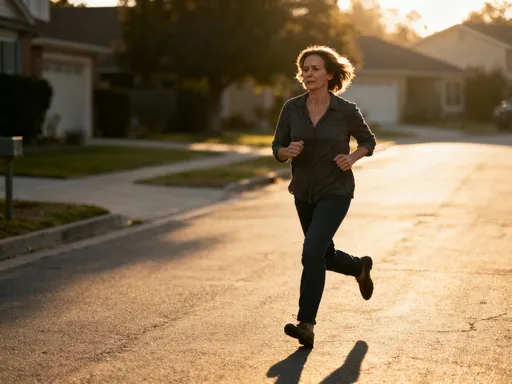
The first attempt at aerobic exercise was not heroic. It began with a 10-minute walk around the neighborhood, just after breakfast. There was no special outfit, no playlist, no fitness tracker. The goal was simply to move—without pain, without pressure. For someone accustomed to measuring success in productivity or accomplishment, this felt almost too simple. But simplicity was the point. Starting small removed the barrier of intimidation. It acknowledged fatigue, joint sensitivity, and the reality of fluctuating energy levels—all common concerns for women managing chronic conditions.
Pacing was essential. The early days were not about distance or speed, but about building tolerance. Some mornings, the walk lasted only seven minutes. Others, it stretched to 15. The rhythm of breathing, the feel of the ground beneath the feet, the sound of birds—these small sensory details became anchors, grounding the experience in the present moment. Over time, the body adapted. Steps felt lighter. Breathing became more rhythmic. The heart no longer raced after a short incline. These subtle shifts were the first signs of progress—quiet, uncelebrated, but real.
One of the most helpful tools was the “talk test”—a simple way to gauge intensity. If conversation was possible without gasping for breath, the effort was in the right range. This removed the need for heart rate monitors or complex calculations. It also prevented overexertion, which could lead to soreness or discouragement. Equally important was consulting a healthcare provider before beginning, especially when managing conditions like hypertension or arthritis. A brief check-up ensured that the chosen activity was safe and appropriate. This step reinforced that aerobic exercise was not a replacement for medical care, but a partner within it.
Building a Routine That Sticks: From Habit to Lifestyle
Turning movement into a habit required more than willpower—it required strategy. One of the most effective approaches was habit stacking: pairing the walk with an existing routine, such as after dinner or during a child’s homework time. This created a natural trigger, reducing the need for constant decision-making. Calendar reminders helped at first, but over time, the activity became automatic. The shoes stayed by the door. The walking clothes were laid out the night before. These small environmental cues reduced friction and made it easier to begin, even on tired days.
Tracking progress was done with compassion, not criticism. Instead of focusing on miles or calories, the emphasis was on consistency—how many days movement occurred, regardless of duration. A missed day was not a failure, but a pause. The next day was simply a return, not a restart. This mindset shift was critical. It allowed for flexibility—walking in the rain, shortening a session, or switching to indoor marching during winter months. The goal was sustainability, not perfection.
Over several months, the routine evolved. Walks became longer—20 minutes, then 30. Weekend outings included nature trails or lakeside paths, turning exercise into exploration. Music or audiobooks added enjoyment, but were not required. The real reward was the growing sense of ownership. This was no longer something imposed by doctors or guilt, but a personal commitment—a daily act of care. The routine wasn’t rigid, but it was reliable. And reliability, more than intensity, was what led to lasting change.
Measurable Shifts: What Changed After Months of Movement
After six months of consistent aerobic activity, the changes were no longer just physical—they were functional. Sleep improved. Falling asleep became easier, and waking up felt less like a struggle. Energy levels stabilized throughout the day, reducing the mid-afternoon slump that once required caffeine or sugar. Joint stiffness decreased, especially in the mornings. Daily tasks—carrying groceries, climbing stairs, playing with children—required less effort and caused less discomfort.
Symptom flare-ups became less frequent and less severe. While the underlying condition did not disappear, the body’s response to stress and imbalance appeared more regulated. Lab results, reviewed during a routine check-up, showed improvements in key markers—blood sugar levels were more stable, cholesterol profiles had shifted favorably, and inflammatory indicators were lower. The doctor noted the progress, not with surprise, but with quiet approval. These were not miraculous changes, but they were meaningful.
Perhaps the most profound shift was internal. There was a renewed sense of confidence—not in being cured, but in being capable. The body, once seen as a source of limitation, began to feel like an ally. Each step was a reminder: I am taking care of myself. I am responding. I am not passive. This sense of agency was not dependent on dramatic results, but on the daily practice of showing up. The condition was still present, but it no longer defined the quality of life.
Beyond the Body: Mental and Emotional Gains You Can’t Ignore
The benefits of aerobic exercise extended far beyond physical health—they touched the mind and spirit. Stress, once a constant undercurrent, began to feel more manageable. The rhythmic nature of walking or cycling created a meditative effect, allowing thoughts to settle and emotions to regulate. Cortisol, the stress hormone, naturally decreased with regular activity, while endorphins—natural mood enhancers—increased. This was not a temporary high, but a gradual recalibration of the nervous system.
Mental clarity improved. Focus during work or conversations became sharper. The brain fog that sometimes accompanied fatigue or medication began to lift. There was a sense of mental resilience—challenges still arose, but they felt less overwhelming. The routine of exercise fostered discipline, but more importantly, it fostered self-trust. Showing up, even when motivation was low, built a quiet confidence: if I can do this, I can do other hard things.
For many women, self-care is often equated with sacrifice—time taken from family, work, or duty. But aerobic exercise became a different kind of self-care: not indulgent, but essential. It was not about looking younger or fitting into old clothes. It was about feeling present, capable, and worthy of care. It was a form of respect—for the body, for the years lived, for the future still unfolding. In a life often shaped by giving, this daily movement became a way of receiving—of accepting the gift of health, one step at a time.
Aerobic exercise didn’t erase my condition, but it gave me power over how I live with it. It’s not a replacement for medicine—it’s a partner in care. With professional guidance and personal persistence, movement became my most reliable daily therapy. This isn’t a miracle; it’s medicine we can all access, one step at a time.