What I Learned About Managing Chronic Illness Through Real Food Combos
Living with a chronic condition changed how I see food. It’s not just about eating less or avoiding sugar—it’s about what you combine. I’ve tested dozens of dietary patterns and found that certain pairings stabilize energy, reduce inflammation, and support long-term health. This isn’t a cure, but it’s been life-changing. I no longer experience the mid-afternoon crashes or joint stiffness that once ruled my days. The shift didn’t come from drastic restrictions or trendy supplements, but from understanding how real foods interact in the body. Science increasingly supports this approach: nutrition isn’t just about individual nutrients, but how they work together. Always consult your doctor, but let’s explore what science and experience reveal about smart eating.
The Hidden Challenge of Chronic Disease Management
Chronic illnesses such as type 2 diabetes, high blood pressure, and arthritis affect millions of people worldwide, particularly among adults over 40. These conditions develop gradually and often persist for years, requiring ongoing care. Unlike acute illnesses that resolve with treatment, chronic diseases involve long-term management and are influenced heavily by lifestyle choices. One of the most powerful yet underused tools in this effort is diet. Many individuals assume that medication alone is enough to control their symptoms, but research consistently shows that daily food choices play a critical role in either slowing or accelerating disease progression.
One of the most common frustrations expressed by those living with chronic conditions is the inconsistency of symptoms. A person might feel well one day and completely drained the next, even when following the same routine. This unpredictability can be discouraging and isolating. Often, the root cause lies in subtle dietary habits—such as consuming refined carbohydrates without balancing them with protein or fat—that lead to blood sugar fluctuations, increased inflammation, or digestive discomfort. These small imbalances accumulate over time, contributing to fatigue, joint pain, and brain fog.
Another challenge is the lack of clear, personalized guidance. While doctors may advise patients to “eat healthier” or “lose weight,” they often don’t provide specific strategies for doing so in a sustainable way. As a result, many people turn to fad diets or extreme restrictions that are difficult to maintain and may even worsen symptoms over time. The truth is, managing a chronic condition isn’t about perfection—it’s about making consistent, informed choices that support the body’s natural healing processes. Diet is not a replacement for medical care, but it is a foundational element of overall health.
What many don’t realize is that food functions as information for the body. Every bite sends signals that influence hormone levels, immune activity, and cellular repair. For someone with a chronic condition, these signals can either calm or aggravate the underlying issue. For example, a meal high in processed grains and sugar can trigger an inflammatory response, while a balanced combination of whole foods can help regulate metabolism and reduce oxidative stress. This understanding shifts the focus from simply counting calories to considering the quality and synergy of what we eat.
Why Dietary Combination Matters More Than You Think
Eating healthy isn’t just about selecting nutritious foods—it’s about how those foods are combined. Think of the body like a finely tuned engine. Even if you use clean fuel, the engine won’t run smoothly if the fuel mixture is unbalanced. In the same way, eating isolated “healthy” foods without considering their interactions can lead to suboptimal results. For instance, consuming a bowl of blueberries—packed with antioxidants—is beneficial, but pairing them with a source of healthy fat like almonds enhances the absorption of fat-soluble vitamins and polyphenols, making the overall effect more powerful.
Nutrients rarely work in isolation. They interact in complex ways that can either amplify or diminish their benefits. Fiber, for example, slows the absorption of carbohydrates, preventing rapid spikes in blood sugar. When you eat an apple with its skin, the fiber content helps moderate the natural sugars, especially when combined with a protein or fat source like peanut butter. On the other hand, drinking apple juice—even if it’s 100% juice—delivers sugar without fiber, leading to a quick rise and fall in energy. This principle applies across many aspects of nutrition: the presence of one nutrient can influence how another is absorbed, stored, or utilized.
Another example is the role of fat in nutrient uptake. Vitamins A, D, E, and K are fat-soluble, meaning they require dietary fat to be properly absorbed. Eating a salad rich in leafy greens and colorful vegetables is a smart choice, but dressing it with a source of healthy fat—such as olive oil or avocado—can significantly increase the body’s ability to use the nutrients in those vegetables. Without fat, many of those valuable compounds pass through the digestive system unused. This doesn’t mean adding large amounts of oil, but rather including a moderate, intentional amount to maximize benefit.
The concept of food synergy—the idea that whole foods work better together than apart—is supported by a growing body of research. While no single food can prevent or cure disease, combinations of whole, minimally processed foods have been shown to support metabolic health, reduce inflammation, and improve long-term outcomes. This is especially important for individuals managing chronic conditions, where small, consistent improvements can lead to meaningful changes in daily functioning and quality of life. The goal is not to follow a rigid set of rules, but to build meals that work with the body’s natural rhythms and needs.
Common Dietary Mistakes People Make (Even With Good Intentions)
Many people strive to eat well, especially after a chronic illness diagnosis, but they often fall into predictable traps. One of the most common is building meals around a single “healthy” ingredient without considering balance. For example, someone might eat oatmeal with sliced banana for breakfast, believing it’s a nutritious choice. While both ingredients are wholesome, this meal lacks protein and healthy fat, leading to a rapid rise in blood glucose followed by a crash a few hours later. The result? Hunger, irritability, and low energy by mid-morning.
Another widespread misconception is the belief that low-fat or fat-free foods are inherently better. This idea gained popularity in the late 20th century and still influences food choices today. However, removing fat from foods often means adding sugar, salt, or artificial ingredients to compensate for flavor and texture. A fat-free yogurt, for instance, may contain as much sugar as a dessert. Without fat, the meal lacks satiety, which can lead to overeating later. Additionally, fat plays a crucial role in hormone production, brain health, and nutrient absorption—cutting it out entirely can do more harm than good, especially over time.
Plant-based diets are another area where good intentions can lead to imbalanced eating. While eating more vegetables, legumes, and whole grains is beneficial, some individuals focus so much on eliminating animal products that they miss key nutrient combinations. For example, grains provide certain amino acids, while legumes provide others. Eating them together—as in rice and beans—creates a complete protein profile. Skipping this pairing may result in inadequate protein intake, which can affect muscle maintenance, immune function, and energy levels, particularly in older adults.
There’s also a tendency to chase “superfoods” while overlooking meal structure. Adding chia seeds or spirulina to a smoothie won’t compensate for a diet high in refined carbohydrates and low in fiber. Timing and pairing matter far more than isolated nutritional stars. A better approach is to focus on consistent patterns: combining complex carbohydrates with lean protein and healthy fats at every meal. This doesn’t require exotic ingredients or complicated recipes—it’s about making thoughtful, repeatable choices that support long-term health.
The Science Behind Smart Food Pairing
At the core of effective eating is macronutrient balance: the strategic combination of carbohydrates, protein, and fat. Each plays a distinct role in the body, and when consumed together in the right proportions, they create a stabilizing effect on energy and metabolism. Carbohydrates provide fuel, particularly for the brain and muscles. Protein supports tissue repair, hormone production, and satiety. Fat slows digestion, enhances flavor, and aids in the absorption of essential nutrients. When these three elements are present in a meal, they work in harmony to prevent blood sugar spikes and keep hunger at bay.
Fiber is another key player in this process. Found in whole grains, legumes, fruits, and vegetables, fiber adds bulk to meals and slows the release of glucose into the bloodstream. This is especially important for individuals with insulin resistance or type 2 diabetes, where rapid glucose fluctuations can worsen symptoms. Soluble fiber, in particular, forms a gel-like substance in the gut that delays carbohydrate absorption and helps regulate cholesterol levels. Pairing high-fiber foods with protein and fat creates a powerful trio for metabolic health.
Polyphenols—natural compounds found in colorful fruits, vegetables, tea, and dark chocolate—also contribute to the benefits of smart food pairing. These plant-based antioxidants help reduce oxidative stress and inflammation, both of which are elevated in chronic conditions. However, their effectiveness depends on how they’re consumed. Some polyphenols are better absorbed when eaten with fat, while others are sensitive to heat and processing. For example, cooking tomatoes increases the availability of lycopene, a polyphenol linked to heart health, especially when served with a small amount of olive oil.
The glycemic load of a meal—the measure of how much a food raises blood sugar—can be significantly reduced through strategic pairing. A plain bagel has a high glycemic load, but adding peanut butter or avocado lowers the overall impact by slowing digestion. Similarly, eating an orange alone causes a quicker glucose response than eating it with a handful of walnuts. This principle applies across meals: combining quick-digesting carbohydrates with slower-digesting proteins and fats results in a more gradual and sustained energy release, which supports mental clarity and physical endurance throughout the day.
Practical Food Combos That Actually Work
Understanding the theory is helpful, but applying it to daily life is what makes the difference. Here are five realistic, evidence-based food combinations that support chronic disease management and overall well-being.
First, whole grains paired with legumes—such as brown rice and lentils or quinoa and black beans—form a complete protein. This means they provide all nine essential amino acids that the body cannot produce on its own. For individuals reducing animal protein intake, this combination is especially valuable. It also delivers a rich source of fiber, B vitamins, and plant-based iron. The slow-digesting carbohydrates in this pairing help maintain steady energy levels, making it ideal for lunch or dinner.
Second, vegetables combined with healthy fats—like sautéed spinach with olive oil or roasted carrots with avocado—enhance the absorption of fat-soluble vitamins and antioxidants. Dark leafy greens are rich in vitamin K and lutein, both of which support bone and eye health. When cooked or served with fat, their bioavailability increases significantly. This simple addition transforms a side dish into a nutrient powerhouse without requiring extra effort or ingredients.
Third, fruit paired with nuts—such as apple slices with almond butter or berries with a small handful of walnuts—offers a balanced snack that satisfies hunger and stabilizes blood sugar. The natural sugars in fruit are offset by the protein and fat in nuts, preventing the energy spikes and crashes associated with eating fruit alone. This combination is also rich in fiber and heart-healthy fats, making it a smart choice for cardiovascular support.
Fourth, plain yogurt with seeds—such as chia, flax, or pumpkin seeds—supports gut and heart health. Yogurt provides probiotics, which contribute to a balanced microbiome, while seeds add fiber, omega-3 fatty acids, and minerals like magnesium and zinc. Together, they promote digestion, reduce inflammation, and support immune function. Choosing unsweetened yogurt ensures that added sugars don’t undermine these benefits.
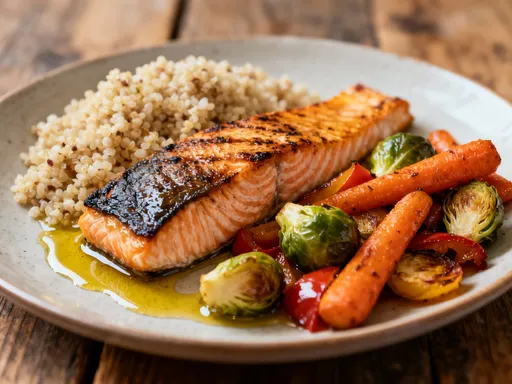
Fifth, fatty fish like salmon served with colorful vegetables—such as roasted bell peppers, zucchini, or broccoli—creates a potent anti-inflammatory meal. Salmon is rich in omega-3 fatty acids, which help reduce joint pain and support brain health. The vegetables contribute antioxidants and fiber, and when cooked with a small amount of olive oil, the overall nutrient absorption improves. This combination is particularly beneficial for those managing arthritis, heart disease, or metabolic syndrome.
How to Build Your Own Balanced Meals (Step-by-Step Guide)
Creating balanced meals doesn’t require advanced cooking skills or expensive ingredients. A simple framework called “Plate Mapping” can help anyone build nutritious, satisfying meals in minutes. Start by dividing your plate into sections: fill half with non-starchy vegetables like broccoli, peppers, greens, or cauliflower. These are low in calories but high in fiber, vitamins, and antioxidants. Next, dedicate one-quarter of the plate to a lean protein source—such as chicken, fish, tofu, eggs, or beans. The final quarter should contain a complex carbohydrate like sweet potato, brown rice, quinoa, or whole-grain pasta. Finish the meal with a small portion of healthy fat—such as a drizzle of olive oil, a few avocado slices, or a sprinkle of nuts or seeds.
When shopping, reading labels mindfully is essential. Many packaged foods marketed as “healthy” contain hidden sugars, refined grains, or unhealthy fats. Look for short ingredient lists with recognizable components. Avoid products with added sugars listed among the first few ingredients, even in items like granola, bread, or plant-based milk. Opt for whole, minimally processed foods whenever possible. Frozen vegetables, canned beans (low-sodium), and plain Greek yogurt are convenient, nutritious options that fit into a balanced diet.
Meal prep can make healthy eating more manageable, especially on busy days. Cooking in batches, using slow cookers, or roasting vegetables in advance saves time and reduces decision fatigue. However, it’s important to preserve nutrient integrity during preparation. Steaming, baking, or sautéing with minimal oil is preferable to deep frying or overcooking. Store leftovers properly and consume them within a few days to maintain freshness and safety.
Finally, change doesn’t have to happen overnight. Start with one meal a day—perhaps breakfast or lunch—and focus on balancing the components. Once that becomes routine, move on to the next meal. Small, consistent adjustments are more sustainable than drastic overhauls. Over time, these choices become second nature, leading to lasting improvements in energy, mood, and symptom control.
When to Talk to a Professional and What to Ask
While dietary changes can have a powerful impact, they should never replace medical treatment. Chronic conditions require ongoing monitoring and care from qualified professionals. Before making significant changes to your diet—especially if you take medications for diabetes, heart disease, or kidney issues—it’s important to consult a registered dietitian or your healthcare provider. Certain nutrients can interact with medications, and individual needs vary based on health status, age, and lab results.
A registered dietitian can help create a personalized eating plan that aligns with your medical needs and lifestyle. They can also identify potential nutrient deficiencies and suggest safe, effective ways to address them. When meeting with a professional, come prepared with questions. For example: How might increasing fiber affect my medication? Are there specific nutrients I should monitor, such as potassium or vitamin D? Can you review my current diet and suggest improvements?
It’s also important to communicate openly about your goals and challenges. Whether it’s difficulty sticking to a routine, managing food costs, or dealing with family preferences, a dietitian can offer practical solutions. Remember, there is no one-size-fits-all approach to nutrition. What works for one person may not work for another, and that’s okay. The goal is progress, not perfection.
Managing a chronic condition is a daily commitment, but small, smart food choices can make a big difference. Dietary combinations aren’t magic—they’re practical tools grounded in science and lived experience. By understanding how foods work together, you gain control, clarity, and confidence. Always work with your healthcare team, but never underestimate the power of what you put on your plate.