How I Transformed My Recovery by Fixing My Environment
Rehabilitation isn’t just about exercises or therapy—it’s about where healing happens. I learned this the hard way after a slow recovery left me frustrated. Only when I started reshaping my surroundings did real progress begin. Cleaner air, calmer spaces, and intentional design made a noticeable difference. This is how improving my environment became the missing piece in my rehabilitation journey—simple, effective, and surprisingly powerful.
The Hidden Barrier to Healing: Why Environment Matters in Recovery
When most people think of recovery, they focus on medication, physical therapy, or doctor’s appointments. Rarely do they consider the room where healing takes place. Yet, growing evidence shows that the physical environment plays a critical role in how quickly and completely a person recovers from illness or injury. The lighting, noise levels, air quality, and even the arrangement of furniture can influence mood, sleep, and the body’s ability to repair itself. For many, the space meant for rest may actually be contributing to stress—unseen but deeply felt.
Scientific research has long supported the connection between surroundings and health. For example, exposure to natural light helps regulate the body’s circadian rhythm, which governs sleep and hormone production. Disruptions to this rhythm, often caused by dim or artificial lighting, can lead to poor sleep quality and elevated cortisol levels—the hormone associated with stress. High cortisol over time weakens the immune system, slows tissue repair, and increases fatigue. Similarly, constant background noise from traffic, appliances, or household activity can keep the nervous system in a state of low-grade alertness, making deep rest nearly impossible.
Clutter is another silent stressor. A room filled with scattered items, stacked papers, or unused furniture may seem harmless, but studies show it can overload the brain’s ability to focus and process information. Researchers at Princeton University found that visual clutter competes for attention, increasing cognitive load and reducing mental clarity. In a recovery context, this means the brain is working harder just to exist in the space, leaving fewer resources for healing. When the mind is constantly processing disorder, it becomes harder to relax, reflect, or follow through with therapeutic routines.
Moreover, indoor air quality is often overlooked. Many homes contain pollutants such as dust mites, mold spores, volatile organic compounds (VOCs) from cleaning products, or synthetic fragrances. These irritants can trigger inflammation, worsen respiratory conditions, and contribute to headaches or fatigue—symptoms that mimic or amplify those of chronic illness. Poor ventilation traps these contaminants, creating an environment that works against recovery rather than supporting it. Healing is not an isolated biological event; it is deeply influenced by the daily context in which it occurs. A supportive environment does not replace medical treatment, but it can significantly enhance its effectiveness.
My Wake-Up Call: When Progress Stalled and I Had to Rethink Everything
After a prolonged period of physical therapy following a back injury, I found myself stuck. I followed every recommendation—completed my exercises, attended appointments, ate well, and tried to rest. Yet, my energy remained low, my pain levels fluctuated, and my motivation waned. I began to question whether I was doing enough, whether I lacked discipline, or if recovery would simply take much longer than expected. The frustration grew with each week of minimal improvement, and I started to feel defeated.
It wasn’t until I took a step back and observed my daily routine that I noticed a pattern. My recovery was happening in the same space where I managed household chaos, answered emails, and dealt with noise from the street and appliances. My living room, where I did my stretches, was cluttered with books, bags, and unopened mail. The lighting was dim, relying mostly on a single overhead fixture. Windows were rarely opened, and the air often felt stale. The television was always on in the background, and my phone buzzed constantly with notifications. I realized I had been trying to heal in an environment that offered little peace or support.
The emotional toll was just as significant. I felt disconnected from my progress, as if I were going through the motions without real change. I lacked a sense of control, not over my body, but over the space I inhabited. The mess around me mirrored the confusion I felt inside. I began to wonder: what if the problem wasn’t my effort, but the conditions in which I was trying to recover? This realization marked a turning point. Instead of pushing harder, I decided to change my surroundings. I started to view my environment not as a passive backdrop, but as an active participant in my healing. What followed was not a dramatic overhaul, but a series of intentional, manageable changes that gradually transformed my experience of recovery.
The First Fix: Decluttering for Mental Clarity and Emotional Relief
The first step I took was to declutter my living and recovery space. I began with a small area—the corner where I did my daily exercises. I removed items that didn’t belong: old magazines, unused decor, extra chairs, and boxes that had been sitting there for months. I sorted through drawers and cleared out anything that contributed to visual noise. This process was not about achieving perfection, but about creating space—both physically and mentally. As items were removed, the room began to feel lighter, more open, and easier to breathe in.
The psychological benefits were immediate. With fewer distractions, my mind felt less crowded. I noticed a reduction in background anxiety and an increased ability to focus on my movements during therapy. The act of organizing gave me a sense of control, which had been missing during my recovery. Studies support this experience: research published in the journal Personality and Social Psychology Bulletin found that individuals in cluttered environments reported higher levels of cortisol and lower feelings of well-being compared to those in tidy spaces. Clutter, it turns out, is not just an aesthetic issue—it is a stressor that affects the nervous system.
Another benefit was the renewed sense of purpose. Each small act of clearing—sorting, donating, discarding—felt like a step forward, even on days when physical progress was slow. It reinforced the idea that healing is not solely about the body, but about the mind and environment working together. I learned to start small, focusing on one shelf, one drawer, or one surface at a time. This approach prevented overwhelm and made the process sustainable. I also prioritized high-traffic areas—spaces I used daily for rest, movement, or reflection—because improvements there had the greatest impact.
Storage became more intentional. Instead of hiding clutter in cabinets, I chose simple, closed containers that kept things out of sight without adding visual weight. I adopted a “one in, one out” rule for new items, which helped prevent accumulation. Over time, decluttering became a regular habit, not a one-time event. It taught me that a clear space supports a clear mind, and both are essential for recovery. The emotional relief that followed was profound—less mental fatigue, more presence, and a growing sense of calm that carried into every part of my day.
Air and Light: Upgrading the Basics for Better Healing
Once the space was decluttered, I turned my attention to two fundamental elements: air and light. I realized how little fresh air I had been getting. Windows were often closed, especially during colder months, and I relied on recirculated indoor air. I began opening them daily, even for just ten minutes, to allow airflow. The difference was noticeable—stale odors disappeared, and the room felt more alive. I also invested in a simple air purifier with a HEPA filter, which helped reduce dust and allergens. Within weeks, I experienced fewer instances of congestion and felt my breathing become easier, especially in the morning.
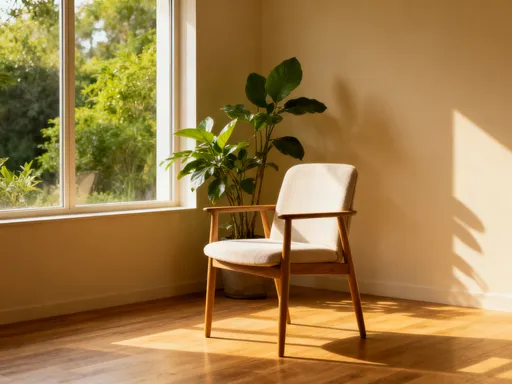
Natural light became another priority. I rearranged furniture to maximize sunlight, moving my therapy mat near the window. I removed heavy curtains and replaced them with sheer ones that allowed light to filter through. On cloudy days, I used full-spectrum light bulbs, which mimic natural daylight and support circadian regulation. These changes improved my sleep-wake cycle. I found myself waking more naturally in the morning and feeling less groggy. My energy levels during the day stabilized, and I no longer experienced the mid-afternoon crashes that had become routine.
The connection between light and mood is well documented. Exposure to natural light boosts serotonin production, a neurotransmitter linked to feelings of well-being and calm. Conversely, insufficient light can contribute to low mood and fatigue, symptoms that often overlap with those of chronic illness. By optimizing light, I was not only supporting my physical recovery but also protecting my mental health. I also eliminated synthetic air fresheners and scented candles, which can release harmful chemicals. Instead, I used essential oils sparingly and only in well-ventilated areas, or opted for natural alternatives like simmering citrus peels or cinnamon sticks.
These upgrades were simple, low-cost, and highly effective. They reminded me that healing does not always require complex interventions. Sometimes, the most powerful changes are the most basic—breathing cleaner air, soaking in more daylight, and creating conditions that align with the body’s natural rhythms. These elements, often taken for granted, became foundational to my progress.
Designing a Calm Zone: Creating a Dedicated Space for Rest and Therapy
One of the most transformative steps was designating a specific area solely for recovery. Before, my therapy exercises were done wherever space allowed—sometimes on the living room floor, other times in the bedroom. There was no consistency, and the space was often shared with other activities. I decided to create a dedicated calm zone, a place designed intentionally for rest, movement, and mindfulness. This didn’t require a separate room; I used a quiet corner of my living space and transformed it with purpose.
I chose soft textures—area rugs, a comfortable cushion, and breathable fabrics—for both comfort and sensory soothing. The color palette was neutral and calming: soft grays, warm beiges, and muted greens, all known to promote relaxation. I minimized electronics in the area, keeping only a small speaker for gentle music or guided meditations. A small shelf held only what I needed: water, a journal, therapy bands, and a towel. This consistency made it easier to establish a routine. Every time I entered the space, my body and mind began to shift into a state of focus and calm.
The psychological impact of having a dedicated recovery space was significant. It sent a message that healing was important enough to have its own place. It became a sanctuary, separate from the demands of daily life. Even on difficult days, stepping into this space helped me reconnect with my goals. I found myself looking forward to my routine, not as a chore, but as a form of self-care. Others can create a similar zone in any setting—a corner of a bedroom, a section of a dining room, even a space under a window. The key is consistency and intentionality.
Over time, this space evolved with my needs. As my mobility improved, I added a small stool for seated stretches. When I began practicing mindfulness, I introduced a timer and a gratitude journal. The calm zone became a living part of my recovery, adapting as I did. It taught me that environment shapes behavior—when the space supports healing, the actions follow more naturally.
Nature’s Role: Bringing the Outdoors In for Faster Recovery
Nature has long been recognized for its restorative effects, and I began to explore how to bring more of it into my daily environment. I started with houseplants—easy-to-care-for varieties like snake plants, pothos, and peace lilies. These not only improved air quality by filtering toxins but also added a sense of life and tranquility to the space. Watching new leaves grow became a quiet source of joy and a subtle reminder of my own progress.
I also incorporated natural sounds. On days when I couldn’t go outside, I played recordings of rain, ocean waves, or birdsong during my rest periods. Studies have shown that exposure to natural sounds can reduce stress, lower heart rate, and improve concentration. For me, these sounds created a mental escape, helping me disengage from tension and enter a state of deep relaxation. Even a simple view of trees or sky from a window made a difference. I made it a habit to pause and look outside, especially during transitions in my day.
The benefits extended beyond mood. Research from the University of Exeter found that patients with access to green views experienced faster recovery times and required less pain medication. While I couldn’t move to the countryside, I found ways to connect with nature in my urban setting. I visited local parks regularly, even for short walks. I opened windows to let in fresh air and the sounds of birds. I kept a small indoor fountain, which added the soothing element of moving water. These small connections reminded me that healing is not separate from the natural world—it is supported by it.
Bringing nature indoors also encouraged gentle movement. Caring for plants required stretching, bending, and light activity, which complemented my physical therapy. It was movement with purpose, not just exercise for the sake of it. Over time, my relationship with my environment shifted—I no longer saw it as a container, but as a living, supportive system that nurtured my recovery in quiet, consistent ways.
Sustaining the Shift: Making Environmental Changes Last Beyond Recovery
What surprised me most was how these changes outlasted my rehabilitation. They didn’t end when my physical symptoms improved—they became part of a healthier, more intentional way of living. Daily ventilation, weekly decluttering sessions, and mindful use of light and space became habits. I continued to prioritize air quality, choosing natural cleaning products and avoiding synthetic fragrances. I maintained my calm zone, using it now for meditation, reading, or simply unwinding after a long day.
The shift in mindset was lasting. I no longer viewed my environment as a passive backdrop, but as an active partner in well-being. Small, consistent upgrades had created a space that supported not just recovery, but daily resilience. I became more aware of how my surroundings affected my mood, energy, and focus. This awareness helped me make better choices—whether arranging furniture, selecting lighting, or deciding where to spend my time.
I also became more mindful of consumption. The process of decluttering taught me to value quality over quantity, to choose items that serve a purpose and bring calm. This extended to food, clothing, and even digital spaces. I applied the same principles—simplicity, clarity, intentionality—to other areas of life. The habits I built during recovery became tools for long-term health.
Looking back, I realize that healing was never just about fixing my body. It was about creating conditions that allowed healing to happen. The environment didn’t replace medical care—it amplified it. What began as a solution to stalled progress became a foundation for a more balanced, peaceful life. These changes were not dramatic, but their cumulative effect was profound.
Healing is more than treatment—it’s shaped by the world around us. By reshaping my environment, I didn’t just recover faster; I built a healthier life. This approach isn’t a shortcut, but a smart, sustainable upgrade. What if the key to your recovery isn’t more effort—but a better space to heal in?