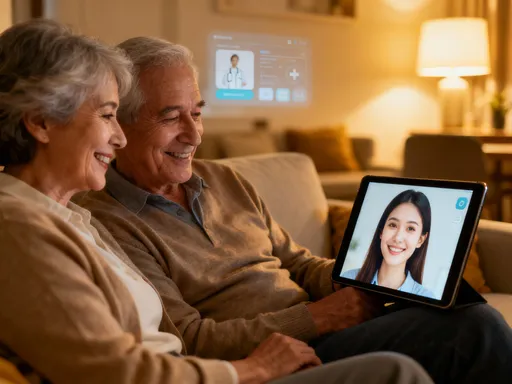
More than a video call: How health platforms give my parents the care they never had
You know that sinking feeling when Mom says, “I’m fine,” but you know she’s not? I did—until we started using a simple health consultation app together. It’s not magic, but it’s changed everything: fewer missed symptoms, no more rushed clinic trips, and real peace of mind. This isn’t just tech—it’s how we care now. And honestly? It made me a better daughter. I used to worry in silence, second-guessing every cough, every tired sigh. Now, I have a way to act—quickly, calmly, and with real support. This journey didn’t start with a breakthrough invention or a flashy gadget. It began with fear, love, and the simple desire to keep the people I cherish most as healthy and happy as possible. And what I’ve learned is this: sometimes, the most powerful tools aren’t the ones that dazzle—they’re the ones that quietly show up when you need them most.
The Moment Everything Changed
It was 10:17 p.m. on a Tuesday when my phone rang. Dad’s voice was slow, measured, but there was something beneath it—something I couldn’t place. “I just feel… off,” he said. Not sick. Not in pain. Just off. We live two hours apart, and in that moment, distance felt like a wall. I wanted to jump in the car, but what if it was nothing? What if I panicked for no reason? But what if it was something? That night, I did what so many of us do: I waited. I called his doctor the next morning, begged for an urgent appointment, and spent the next 12 hours imagining the worst. He ended up with a mild infection, easily treated—but it could’ve been caught sooner, with less stress, if we’d had help right then.
That was the turning point. I started researching, not for miracle cures or high-tech scans, but for something simple: a way to get a professional opinion, fast. That’s when I found virtual health platforms. I remember my first reaction—skepticism. How could a video call replace a real doctor? But after one test visit for a stubborn rash, I was hooked. The doctor asked thoughtful questions, gave clear advice, and even sent a prescription to my local pharmacy. No traffic. No waiting room. No anxiety spiral. Just care, delivered when and where it was needed.
For my parents, this kind of access was life-changing. Dad, who used to ignore symptoms until they became emergencies, now has a way to check in without drama. I can initiate a visit for him with his permission, or he can do it himself with one tap. The platform we use connects us to licensed physicians, nurse practitioners, and even specialists, available 24/7. It doesn’t replace their primary care doctor—it complements it. Now, instead of guessing or waiting, we have a trusted first step. And that small change? It’s given me back my sleep, my confidence, and most of all, my peace of mind.
What These Platforms Actually Do (Without the Tech Jargon)
Let’s clear the air: this isn’t about robots diagnosing diseases or apps replacing human doctors. Think of it more like a front door to care—one that’s open late, doesn’t require parking, and lets you walk in wearing pajamas. When Mom feels dizzy or Dad’s blood sugar is acting up, we don’t have to wait days for an appointment. We open the app, describe what’s going on, and within minutes, we’re connected to a real medical provider. No confusing menus. No endless hold music. Just a calm voice asking, “What can I help you with today?”
These platforms do more than just video visits. Many offer secure messaging, so you can send a photo of a rash or ask a quick question without scheduling a full call. Some let you upload lab results and get explanations in plain language. Others handle prescription refills with a few taps—no more calling the office and waiting on hold. For chronic conditions like diabetes or high blood pressure, some services include regular check-ins with care coordinators who help track trends and adjust routines. It’s not about replacing in-person visits; it’s about making them more meaningful. When we do go to the clinic, we’re not there for guesswork—we’re following up on something already assessed, with data in hand.
Security is a big concern, I know. I felt the same way at first. But the platforms we’ve used are built with privacy in mind—HIPAA-compliant, encrypted, and designed to protect personal health information. I can control who sees what, and my parents can decide how much they want to share. It’s not some sketchy website—it’s the same kind of care you’d get in person, just delivered differently. And the best part? It works on devices they already own. No need for fancy equipment. Just a smartphone, tablet, or even a laptop with a camera and internet. If they can video chat with the grandkids, they can use this.
Why Older Adults Actually Like Using Them
I’ll admit—I expected resistance. I thought Mom would say, “I don’t trust a screen,” or Dad would grumble about “all this newfangled stuff.” But the truth? They adapted faster than I did. The first time we did a test call, Mom was nervous. “What if I don’t explain it right?” she asked. But the doctor was kind, patient, and asked gentle follow-up questions. By the end, she said, “That was easier than my last clinic visit.”
What changed their minds? Convenience, yes—but also dignity. No more dressing up, no more long drives on cold mornings, no more sitting in crowded waiting rooms feeling exposed or overwhelmed. My mom has arthritis, and just getting in and out of the car can be painful. Now, she can talk to a doctor from her favorite armchair, with her notes and meds nearby. She doesn’t feel rushed. She can pause, think, and ask again if she didn’t understand. That kind of control matters—especially when you’ve spent years feeling like the system doesn’t listen.
Another surprise? They started using it for small things—itchy skin, trouble sleeping, a lingering cough—and that’s exactly what we wanted. Catching issues early means fewer emergencies later. My mom now messages her care team between grocery shopping and picking up prescriptions. She doesn’t see it as “bothering” anyone; she sees it as staying on top of her health. And the providers remember her. They’ve seen her history, know her concerns, and follow up when something changes. That continuity builds trust. It’s not impersonal—it’s deeply personal, in a way that fits her life.
How We Set It Up Together (And You Can Too)
It didn’t take a tech genius. Just one quiet Sunday afternoon and a pot of tea. We sat at the kitchen table, her phone in hand, and walked through it step by step. First, we picked a platform covered by her insurance—most major providers now include virtual care at little or no cost. I helped her download the app, create a secure account, and enter her basic medical history: allergies, current meds, past conditions. She double-checked everything, and I reminded her she could update it anytime.
Then came the fun part—practice. We did a mock call with no medical issue, just to get comfortable. I showed her how to turn on the camera, adjust the lighting, and speak clearly. We laughed when the dog barked in the background. The goal wasn’t perfection—it was confidence. I saved the app to her home screen, showed her the one-tap call button, and set up medication reminders linked to her care plan. I also added myself as a trusted contact—so I get a heads-up if she starts a visit or needs support.
The key? I didn’t make it a “lesson.” I made it part of our time together. We talked about her health, her worries, what she wanted to get out of it. I listened more than I spoke. And when she said, “I think I can do this,” I knew we’d crossed a threshold. Now, she uses it on her own, but I still check in. “How was your call?” “Did they understand you?” It’s not about control—it’s about connection. And that shared effort? It made her feel supported, not replaced.
Real-Life Moments That Proved It Was Worth It
Last winter, Dad woke up with a deep, rattling cough. In the past, we’d have waited days for an appointment, hoping it wasn’t pneumonia. This time, I helped him start a video visit that evening. The doctor listened to his lungs through the phone’s microphone (yes, that’s possible!), reviewed his history, and diagnosed early bronchitis. By morning, a prescription was at his pharmacy. He started treatment 24 hours sooner than he would have otherwise. No ER. No ambulance. No family panic. Just timely, thoughtful care.
Another time, Mom’s home blood pressure monitor showed consistently high readings. Instead of waiting six weeks for her next appointment, she sent the numbers through the app. Her care team reviewed them, adjusted her medication dosage, and scheduled a follow-up—all without her leaving the house. Two weeks later, her numbers were back on track. That kind of responsiveness is rare in traditional care, where delays are common and small warnings get lost in the shuffle.
Then there was the time she had a mild reaction to a new supplement. She messaged her provider, sent a photo of the rash, and got a reply within an hour. They told her to stop the supplement and recommended an over-the-counter cream. No guesswork. No web searches that sent her down a fear spiral. Just clear, professional guidance. These aren’t just conveniences—they’re safeguards. They catch problems before they become crises. They give us time to breathe, to plan, to care—instead of just reacting.
The Hidden Benefit: Closer Family Connections
Here’s what no one warned me about: this didn’t just improve their health. It brought us closer. We talk more—really talk—about what’s going on in their bodies, their moods, their daily routines. I’m not waiting for a crisis to get involved. I’m part of the everyday. We plan ahead. We celebrate small wins—like when Mom’s cholesterol improved or Dad remembered to take his meds for a whole week.
It’s changed the dynamic. I’m not the “worried daughter” nagging them to see a doctor. I’m the partner in their care. And for them, knowing I’m just a tap away—not hovering, not controlling, but present—makes them feel safer. My mom told me, “It’s like you’re right here with me, even when you’re not.” That hit me right in the heart. This isn’t about surveillance. It’s about support. It’s about saying, “I care, and I’m here,” in a way that respects their independence.
We’ve even started using it as a family ritual. When the grandkids visit, they help “show Grandma how to do her check-in.” It’s become normal. Natural. Not a tech chore, but a part of how we love each other. And that shift—from fear to trust, from distance to closeness—is maybe the greatest gift of all.
Making It Work for Any Family
You don’t need the most advanced app or a tech background. What you need is patience, love, and a willingness to try. Start small. Pick a platform that’s covered by your parents’ insurance—most major health plans now include virtual care benefits. Look for one that’s simple to use, with clear instructions and customer support. Many offer tutorials or even live setup help. Do a trial call together, just to get comfortable. Let them ask questions. Let them lead.
Be patient. There will be hiccups—forgotten passwords, frozen screens, moments of doubt. That’s okay. Celebrate the first successful call. Celebrate when they message a provider on their own. Make it a shared habit, not a one-time fix. And remember: this isn’t about replacing in-person care. It’s about adding a safety net. It’s about giving them more control, and giving you more peace.
Most importantly, frame it as care—not control. Ask, “Can I help you set this up?” not “You need to start using this.” Let them own the process. And when it works—when they get quick help, when a symptom is caught early, when they feel heard—that’s when the real shift happens. Because at the end of the day, this isn’t really about technology. It’s about love. It’s about showing up. It’s about saying, “I’m here for you,” in a world where distance and time too often get in the way. And if a simple video call can carry that message, then it’s not just useful—it’s essential.