Beyond Chat: Team Tools That Quietly Fixed My Mornings and My Mind
You know that morning scramble—juggling messages, missing tasks, and starting the day already behind? I was stuck in it too, until I noticed something small but life-changing: the team communication tools we use for work can actually shape our personal rhythms. It wasn’t about more notifications. It was about using hidden features in apps I already had to build calm, clarity, and consistency—starting before my first coffee. No fancy new gadgets, no complicated systems. Just a shift in how I saw the tools already in my pocket. And slowly, quietly, my mornings changed. So did my mind.
The Morning Chaos No One Talks About
Let’s be honest—how many of us wake up already behind? I used to roll out of bed, grab my phone, and immediately get sucked into a whirlwind of unread messages, calendar alerts, and that nagging feeling that I’d already missed something important. My heart would start racing before I’d even brushed my teeth. The kids needed breakfast, the dog needed walking, and somehow, I’d already spent twenty minutes scrolling through a group chat about last night’s meeting. Sound familiar? This wasn’t just a rough start. It was a pattern. And it wasn’t because I was disorganized or lazy. It was because I was letting my tools control me instead of the other way around.
Here’s the thing: we don’t talk enough about how work stress leaks into our personal lives, especially through the apps we use every day. That same Slack channel where I coordinate with my team? It was also where I received after-hours pings, last-minute requests, and passive-aggressive emojis that made my stomach drop. And because I kept it open on my phone, it followed me into the kitchen, the bathroom, even the school drop-off line. I wasn’t just checking work—I was living in it. My brain never really clocked out, and it certainly never clocked in to what mattered most: my family, my peace, my own sense of calm.
What made it worse was the guilt. I’d think, I should be better at this. Everyone else seems to have it together. But the truth is, no one has it all figured out. We’re all just trying to survive the daily avalanche of notifications, tasks, and invisible expectations. The real problem wasn’t me—it was the way I was using the tools I already had. I was treating them like firehoses of information instead of thinking about how they could actually support me. And once I started asking that question—How could this app help me, not hurt me?—everything began to shift.
Seeing the Tool Differently: From Noise to Structure
The turning point came on a Tuesday. Nothing special about the day, except that I finally admitted I couldn’t keep living like this. I was tired, scattered, and constantly on edge. So I did something simple: I opened Slack—not to check messages, but to look at it differently. What if, instead of being a source of noise, this app could be a source of structure? What if the features I used for work could also help me create a better morning routine?
That’s when it hit me: I was using these tools with work-only blinders on. I saw Slack as just a place for team updates, file sharing, and quick questions. But it’s more than that. It’s a digital space I visit every day, multiple times a day. And if I was already there, why not use it to support my personal rhythm too? Why not repurpose the very features designed for collaboration to build calm and clarity in my own life?
I started small. Instead of opening the app to react, I began using it to respond—on my own terms. I created a private channel just for me. No one else could see it. It was blank, quiet, and full of possibility. And in that space, I began to experiment. I pinned a simple message to the top: “Morning Routine – Breathe. Move. Hydrate. Focus.” That’s it. No grand plan, no productivity porn. Just a gentle reminder of how I wanted to start my day. And something surprising happened: seeing that pinned note every morning gave me a sense of grounding before the chaos even began.
This wasn’t about being more efficient at work. It was about reclaiming my attention. The tool hadn’t changed—but my relationship with it had. I wasn’t letting it dictate my energy anymore. I was using it to protect my energy. And that small shift in perspective made all the difference.
The Power of the Pinned List: Building Your Day Before It Starts
Let’s talk about the magic of the pinned message. You’ve probably seen it in team channels—a bold note at the top with meeting links or project deadlines. But what if you used that same feature for yourself? What if the first thing you saw every morning wasn’t a flood of unread messages, but a quiet invitation to begin with intention?
Here’s how I set mine up: I went into my private channel and typed out a simple checklist. Just four things: “1. Drink a glass of water. 2. Stretch for five minutes. 3. Write down my one priority for the day. 4. Breathe deeply before checking email.” I pinned it to the top. And every morning, without fail, that’s what I saw first. Not a barrage of notifications. Not a guilt-inducing to-do list. Just a gentle nudge to start with care.
Now, I’ll be honest—some days I skip it. Some mornings, the baby’s crying, the toast is burning, and I forget to breathe. But here’s the beautiful part: even on those days, just seeing that pinned list helps. It’s like a soft voice saying, You don’t have to do it all perfectly. Just come back to this. It reduces decision fatigue—the mental exhaustion of constantly asking, “What should I do first?” Instead, I already know. And that tiny bit of clarity? It’s like oxygen for my brain.
Over time, this small habit started to reshape my mornings. I wasn’t rushing to react. I was choosing to respond. I wasn’t starting the day drained. I was starting it grounded. And the best part? This didn’t require any new apps, no subscriptions, no fancy setups. Just a five-minute investment the night before to set up a system that supported me the next day. It’s not about being superhuman. It’s about being human—and giving yourself the tools to show up as your best self, even on messy days.
Status as a Self-Promise: “Focus Mode” for Real Life
Have you ever set your status to “Do Not Disturb” and immediately felt a sense of relief? I have. But here’s a thought: what if you used your status not just to tell others you’re busy, but to tell yourself you’re focused? What if that little emoji and line of text became a personal promise?
I started doing this one morning when I was determined to finish a big project. At 7 a.m., before anyone else was awake, I updated my status to “Planning My Day – No meetings, just progress.” I added a simple calendar emoji. And something shifted. That status wasn’t just for my team—it was for me. It was a ritual. A way of saying, This time matters. I matter. And even though no one else saw it right away, I felt more committed. More present. More in control.
Now, I use statuses like this every morning. Sometimes it’s “Deep Work Mode.” Other times, it’s “Family Time – Back at 5.” The exact words don’t matter. What matters is the intention behind them. That status update becomes a boundary—not just with others, but with myself. It’s a way of honoring my time and energy before the day gets noisy. And when I stick to it, I feel a quiet sense of pride. Not because I’m being “productive,” but because I’m being faithful to what I said I’d do.
This might sound small. But in a world that constantly pulls us in ten directions, these tiny acts of self-respect add up. Your status doesn’t have to be about work. It can be about balance. About peace. About showing up for yourself the way you show up for everyone else. And when you do, something beautiful happens: you start trusting yourself more. You keep your promises—not just to others, but to you.
Scheduled Messages: Why Sending Later Helps You Live Now
Let’s talk about scheduling messages. Most of us use this feature to avoid bothering people late at night or early in the morning. And that’s great. But I discovered a deeper benefit: scheduling messages helps me live in the present. Here’s how.
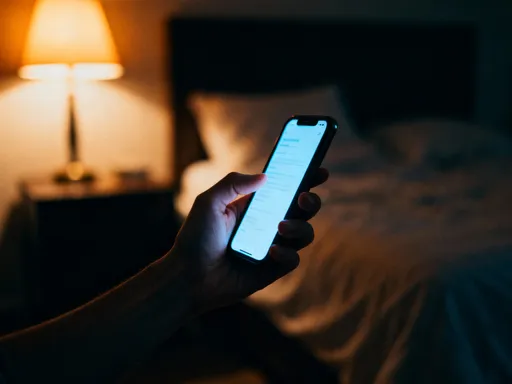
I used to lie in bed, my mind racing with everything I needed to say the next day. “I need to remind the team about the deadline.” “I should check in with Sarah about the budget.” “Don’t forget to ask IT about the login issue.” Instead of resting, I was mentally drafting messages, worried I’d forget them by morning. Sound familiar? That mental clutter wasn’t just keeping me awake—it was stealing my peace.
Then I started scheduling messages the night before. Before I’d turn off the light, I’d open Slack and write out the messages I knew I’d need to send the next day. Then I’d schedule them for 8 a.m. or 9 a.m.—when I’d normally be starting work. No more mental sticky notes. No more anxiety about forgetting. Just the quiet satisfaction of knowing it was already done.
This small change transformed my evenings. I wasn’t holding onto tomorrow’s stress. I was releasing it. And in that release, I found more space to connect—with my partner, my kids, myself. I wasn’t mentally at work while sitting at the dinner table. I was actually there. And when I woke up, I didn’t start the day playing catch-up. I started it rested, clear, and ready.
This isn’t about being more efficient. It’s about being more peaceful. It’s about using technology to create breathing room, not pressure. And when you stop carrying tomorrow’s load today, you’ll be amazed at how much lighter you feel.
Private Channels as Personal Journals: Where Work Tools Hold Your Life
Here’s a secret: my private Slack channel isn’t just for checklists and statuses. It’s become my quiet journal. At first, I was hesitant. Isn’t this a work tool? Shouldn’t it stay professional? But then I realized: this is a space I already use every day. Why not let it hold more than just work?
So I started using it to track small things. Every night, I’d write a quick message to myself: “Today’s win: finished the presentation on time.” Or “Felt overwhelmed at 3 p.m., but took a walk and reset.” Sometimes it was just, “Grateful for coffee and a quiet morning.” No one else saw it. It wasn’t for performance. It was for presence.
Over time, something beautiful emerged: patterns. I noticed that on days when I didn’t check email first thing, I was more focused. On days when I moved my body, even for ten minutes, my mood was better. On days when I wrote down one win, I went to bed feeling more at peace. This wasn’t data for a report. It was insight for my soul.
And because it was all in one place—this little digital corner I visited daily—it became a safe container for my thoughts. I didn’t need a fancy journaling app or a password-protected notebook. I had a space that was always there, always accessible, always mine. In a world that feels fragmented and fast, that consistency was a gift. It reminded me that I was more than my to-do list. I was a person—with feelings, rhythms, and growth.
From Work Tool to Life Companion: The Quiet Revolution
Looking back, I realize these changes weren’t about hacking productivity. They were about healing my relationship with time, attention, and myself. I stopped seeing my work tools as sources of stress and started seeing them as allies in creating a calmer, more intentional life. The same app that once made me feel overwhelmed now helps me feel grounded. The same platform that pulled me into reactivity now supports my rhythm.
And it wasn’t one big change. It was a series of small, quiet shifts—pinning a list, setting a status, scheduling a message, writing a note. Each one took less than five minutes. But together, they rebuilt my mornings. They rebuilt my mindset. They helped me stop surviving and start living—on my own terms.
What I’ve learned is this: technology doesn’t have to control us. We can shape it to serve us. We can take the tools we already use and repurpose them with care, intention, and self-respect. We don’t need more apps. We need more awareness. More compassion for ourselves. More courage to use what we have in new ways.
So I’ll leave you with this: what if your work app could help you live better, not just work harder? What if it could be a place of calm, not chaos? A space for clarity, not clutter? You don’t need permission to try. You don’t need a new system. Just open the app you already use, find a quiet corner, and ask yourself: How can this support me today? The answer might just change your mornings. And your mind.