More than reminders: How tech helps my family eat better together
Remembering anniversaries is one thing, but keeping up with family meals? That’s harder. I used to dread dinnertime—endless debates over what to cook, who ate what, and who skipped veggies again. Then I tried a simple app that combined family memories with meal tracking. It didn’t just remind us of birthdays; it showed us how we were really eating. The change wasn’t overnight, but over weeks, we became more mindful, more connected, and honestly, healthier—without any pressure. It wasn’t about strict diets or counting calories. It was about making space for care, one shared plate at a time. And the most surprising part? The technology that once felt cold and distant actually helped warm up our kitchen, our conversations, and even our relationships.
The Dinner Table Dilemma
Let’s be real—family dinners can feel like a minefield. You want to get everyone fed, happy, and maybe even nourished, but it often ends in compromise: chicken nuggets for the kids, a sad salad for you, and something vaguely meat-shaped for your partner who’s trying to cut back on cholesterol. I remember standing in front of the fridge at 5:45 PM, one child whining about broccoli, the other asking if cereal counts as dinner, and my phone buzzing with a reminder that my husband’s doctor had suggested more fiber. I wanted to do better, but the mental load was overwhelming. Meal planning wasn’t just about food—it was about managing allergies, preferences, health goals, and moods. And somehow, in the middle of it all, I was supposed to keep the magic of family time alive?
I love cooking, but I don’t love the stress that came with it. The real problem wasn’t lack of recipes or time—it was lack of coordination. We weren’t on the same page, and no one had a clear view of what we were actually eating. My daughter claimed she hated fish, but I later found out she loved it when her grandma made it with lemon and herbs. My son said he skipped lunch at school, but his teacher mentioned he ate everything. Information was scattered, and so were we. That’s when I started wondering: could technology help us not just organize meals, but reconnect through them?
I wasn’t looking for a high-tech solution. I just wanted peace at the dinner table. But I realized that peace wouldn’t come from willpower alone. It needed support—something that could remember what I couldn’t, track what I didn’t have time to, and gently guide us toward better choices without making anyone feel judged. That’s when I discovered that the right tech, used thoughtfully, could be less like a taskmaster and more like a quiet ally in the background of our daily lives.
When Tech Met Tradition
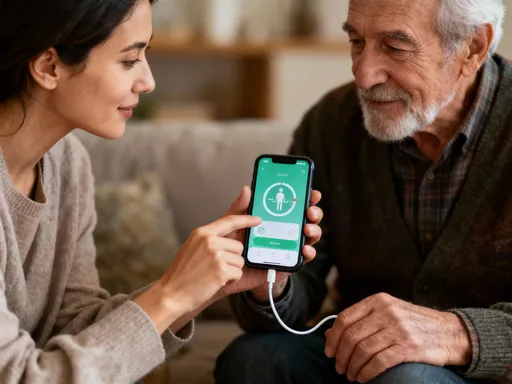
I’ll admit it—I was skeptical. Apps felt clinical. Logging meals sounded like homework. I pictured spreadsheets and calorie counts, not warmth and togetherness. But the one I found was different. It wasn’t built for fitness fanatics or data obsessives. It was designed for families—people who care about food, but care more about each other. It started as a shared family calendar, but it had a twist: you could tag meals, save favorites, and set gentle health nudges tied to personal goals.
The first time I logged dinner—spaghetti with a side salad—I felt a little silly. Who writes down spaghetti? But then, a few days later, the app reminded me that it was my husband’s half-birthday and suggested a lighter version of his favorite lasagna, with more vegetables and less cheese. Not because it was strict, but because it remembered. It knew he’d mentioned heart health at a doctor’s visit we’d both forgotten to follow up on. It wasn’t nagging—it was noticing. And that small moment changed everything.
Tech didn’t replace our traditions. It protected them. Instead of letting busy schedules erode our family meals, the app helped us hold on to them. Birthdays still meant cake, but now the reminder came with a playful note: “Try a fruit-topped version this year?” Holidays came with recipe suggestions based on what we’d enjoyed before. The app didn’t impose rules. It reflected our values back to us—helping us eat in a way that felt true to who we are, not who we thought we should be.
What surprised me most was how quickly it became part of our rhythm. My kids started asking, “Did you log dinner?” not because they were being monitored, but because they liked seeing their favorite meals pop up in the “Family Favorites” section. It turned eating into something we could look back on, laugh about, and learn from. And that’s when I realized: this wasn’t about data. It was about memory, care, and continuity.
From Memory Lane to Meal Plans
One rainy Tuesday, the app surprised me with a notification: “Grandma’s birthday is coming up. Try her lasagna recipe?” I clicked it, and there it was—the version she used to make, with notes from our family meals over the years. But underneath, there was a balanced alternative: whole wheat noodles, lean ground turkey, extra spinach. It wasn’t a replacement. It was a tribute.
We made it that weekend. The kids didn’t care about the nutritional upgrades. They cared that it tasted like Grandma’s kitchen. But I cared about both. I cared that we were honoring her memory while also taking care of our bodies. That’s when it hit me: food isn’t just fuel. It’s legacy. And this little app was helping us carry that forward in a way that felt both meaningful and manageable.
It started doing this more often. When flu season hit, it reminded me of “Mom’s favorite chicken soup” and suggested a version with extra garlic and ginger. When my daughter had a hard week at school, it surfaced “comfort night” with her go-to mac and cheese—but gently added a side salad suggestion. These weren’t random prompts. They were based on patterns we’d created together over time. The app was learning us, not the other way around.
Meals stopped being transactions and started feeling like stories. We’d sit down and say, “Remember when we made this during the snowstorm?” or “This was the first dinner Dad cooked after his surgery.” The app didn’t create those memories, but it helped us find them. And in a world where so much feels fleeting, having a quiet record of the meals that held us together? That felt like a gift.
Small Data, Big Clarity
I never thought I’d say this, but I started looking forward to the weekly summary. Every Sunday morning, the app sent a simple recap: what we ate most, how balanced our plates were, and one fun highlight—like “You had three meatless dinners this week!” or “Family photo night = more veggies!” It wasn’t about perfection. It was about awareness.
One insight stuck with me: on days when we put a family picture on the fridge, we ate more vegetables. Not because the photo magically changed our tastes, but because it reminded us we were eating together. That small visual cue shifted our mindset. We weren’t just feeding bodies—we were feeding connection. And the app helped us see that link.
Another pattern emerged around birthday reminders. When the app included a nudge like “Celebrate with a fruit platter this time,” we were more likely to try it. Not because we followed every suggestion, but because it gave us permission to experiment. We didn’t feel deprived. We felt creative. And over time, those small swaps added up—less processed snack food, more colorful plates, fewer “I don’t know what I ate today” moments.
The beauty was in the gentleness. There were no red flags, no guilt-tripping. Just observations, like a friend quietly saying, “Hey, you’re doing pretty well. Want to try something new?” It wasn’t about fixing us. It was about supporting us. And that made all the difference. We weren’t chasing goals—we were noticing progress. And that subtle shift made healthy eating feel sustainable, not stressful.
How We Actually Use It
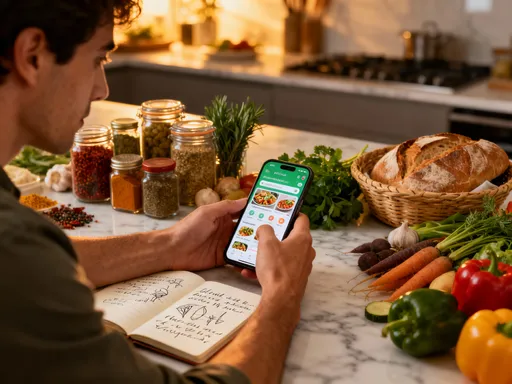
Our Sunday routine has changed. Instead of me hunched over my phone trying to plan meals alone, we gather around the tablet after breakfast. The kids each pick one “fun meal”—tacos, pancakes, homemade pizza. My husband chooses a heart-healthy option, like grilled salmon or lentil stew. I pick something that makes me feel good, like a big rainbow salad or a warm bowl of curry. The app saves it all, color-codes it, and even sends a grocery list to my phone.
What I love is that it tracks nutrients quietly in the background—no obsessive counting, no pressure. It just shows a little leaf icon when a meal is balanced, or a heart when it’s heart-friendly. My teen, who once rolled her eyes at anything “healthy,” now sometimes logs her lunch at school with a quick photo. “Just so you know I’m not surviving on vending machine chips,” she said once. I didn’t push. I didn’t lecture. And yet, here we are.
The app also remembers dietary notes. It knows my son is sensitive to dairy, so it flags recipes with cheese. It reminds me to check labels when I’m shopping. It doesn’t take over—I’m still the decision-maker—but it gives me backup. And on busy nights, when I’m too tired to think, it suggests meals based on what we’ve loved before. “Feeling overwhelmed? Try the turkey chili—you all said it was cozy last winter.” That kind of support feels like care.
We don’t use it perfectly. Sometimes we forget to log. Sometimes we eat out and skip the entry. But it’s not about being flawless. It’s about having a tool that helps us stay aligned with what matters—eating well, eating together, and enjoying the process. And honestly? That’s more than I ever expected from an app.
Beyond the Plate: Stronger Bonds
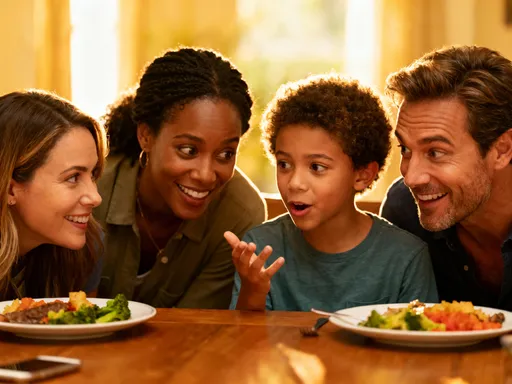
The biggest change wasn’t on our plates—it was around the table. Conversations started flowing again. Instead of everyone staring at their phones, we were talking about food, memories, and feelings. “Remember when Dad tried that vegan burger and said it tasted like a garden?” That sparked a whole discussion about trying new things. “Who else remembers the pancake disaster of 2019?” became a family joke we still laugh about.
Food became a bridge. When my daughter was nervous about a school presentation, we had “comfort dinner”—her favorite pasta with garlic bread. We didn’t talk about the presentation right away, but the safe space of the table made it easier later. When my husband had a rough day, he’d say, “Can we have soup tonight?” It wasn’t just about hunger. It was about comfort. And the app, in its quiet way, helped us honor those unspoken needs.
We started sharing more than meals. We shared gratitude. Every now and then, the app prompts: “What are you thankful for this week?” We started answering out loud. “I’m thankful we tried the new recipe.” “I’m thankful no one spilled milk.” Simple things, but they added up. The dinner table became a place of belonging, not just eating. And that, more than any nutrient count, is what made me feel like we were winning.
Tech didn’t create these moments. But it made space for them. By handling the logistics, it freed us to focus on each other. And in a world that constantly pulls us in different directions, that kind of support is priceless.
A Simpler, Sweeter Routine
Today, dinner feels lighter. Not perfect, but peaceful. We still argue over ketchup—someone always leaves the cap off—but now we also share what we’re grateful for. The app doesn’t fix everything, but it holds our memories and habits gently, helping us grow one meal at a time. It reminds us of birthdays, yes, but also of how far we’ve come in eating together with more joy and less stress.
I used to think technology and family life were at odds. I thought screens pushed us apart. But this experience taught me that the right tools, used with intention, can actually bring us closer. It’s not about replacing human connection—it’s about supporting it. The app doesn’t cook for us, but it helps us cook with care. It doesn’t tell us what to feel, but it helps us remember what matters.
What started as a simple meal tracker became something deeper: a digital scrapbook of our family life, written in recipes, shared laughs, and quiet moments of connection. It showed me that health isn’t just about what’s on the plate—it’s about what’s in the room. It’s about presence, patience, and the courage to keep showing up, even when dinner is just cereal.
If you’re feeling overwhelmed by the chaos of family meals, I get it. I’ve been there. But I also know there’s hope—not in a perfect diet or a spotless kitchen, but in small, consistent steps supported by tools that understand real life. You don’t need a tech overhaul. You just need one thing that helps you breathe a little easier, remember a little more, and connect a little deeper. For us, that thing was an app. For you, it might be something else. But the goal is the same: to eat not just for survival, but for love. And that’s a meal worth sharing.