From Overwhelmed to Organized: The Group Buying Tool That Transformed My Weekly Routine
Ever felt buried under grocery lists, meal plans, and last-minute store runs? I was drowning in shopping chaos—until a simple community group buying app changed everything. It didn’t just save me time and money; it reshaped my habits, strengthened neighborhood connections, and brought calm to my weekly rhythm. This is more than a tech story—it’s how a small digital shift made daily life feel lighter, smarter, and deeply human. If you’ve ever stared into an empty fridge at 7 p.m., wondering what to cook while your kids ask for snacks and your to-do list grows longer, you know that grocery shopping isn’t just a chore. It’s an emotional relay race between budget, nutrition, time, and energy. And for years, I was losing the race.
The Shopping Struggle: When Errands Take Over Life
Picture this: it’s Tuesday night, you’ve just finished helping with homework, the laundry is piling up, and you realize—there’s nothing for dinner. Again. You grab your coat, hop in the car, and drive to the nearest supermarket, only to stand in the frozen aisle, overwhelmed by choices, trying to remember if you already have soy sauce at home. Sound familiar? That was my life for years. I wasn’t just running errands—I was surviving them. Every week, I’d make multiple trips, spend more than I planned, and come home with half the things I actually needed. The rest? Impulse buys, overpriced convenience foods, or items that would eventually go bad in the back of the fridge.
What I didn’t realize at the time was how much mental space this consumed. It wasn’t just the physical act of shopping—it was the constant planning, the guilt over food waste, the frustration of realizing I’d bought three bottles of olive oil because I forgot I already had them. My grocery routine wasn’t just inefficient; it was quietly draining my energy and peace of mind. I’d come home from the store feeling more tired than when I left. And I know I’m not alone. So many women I talk to—moms, caregivers, professionals juggling roles—feel the same weight. We’re not lazy. We’re just carrying too much.
Then one evening, after another chaotic dinner of scrambled eggs and toast (again), I sat down with a cup of tea and asked myself: Is this really the best I can do? That question led me to look for a better way. I started researching alternatives—meal kits, delivery services, even online bulk ordering. But most felt too expensive, too rigid, or too impersonal. I wanted something that fit my life, not one that required me to completely overhaul it. What I found wasn’t a high-tech solution with AI or robots. It was simpler. And honestly, more powerful.
Discovering the Hidden Power of Group Buying
It started with a message from my neighbor, Maria. We’d exchanged a few hellos over the years, but we’d never really talked. One Sunday, she sent me a link with the note: “You should check this out—saved me $40 last week.” The link led to a local group buying platform, a simple website where neighbors in our area could place orders for fresh produce, dairy, pantry staples, and even household items. Orders were collected throughout the week, then delivered in bulk to a central pickup point every Friday afternoon.
At first, I was skeptical. Another app? Another thing to manage? But what stood out was how low-pressure it felt. No ads, no pushy notifications, just a clean interface with photos of locally sourced carrots, eggs from a nearby farm, and organic bananas. The prices were noticeably lower—20 to 30 percent off retail—because the group bought in bulk directly from suppliers. And the minimum order? Only $15. I decided to try it with just a few items: a bag of rice, a carton of eggs, and a bunch of spinach.
Joining took less than three minutes. I created an account, selected our neighborhood group, and placed my order by Wednesday night—the weekly cutoff. On Friday, I walked to the pickup point, a small community center five minutes from my house, showed my confirmation code, and picked up my box. That’s it. No traffic, no parking drama, no standing in line. And when I got home, I realized something: I’d actually planned ahead. I knew what I was cooking for two nights already. That small win felt bigger than it should have. It wasn’t just about saving $12 on groceries. It was about regaining a sense of control.
How the App Quietly Changed My Habits
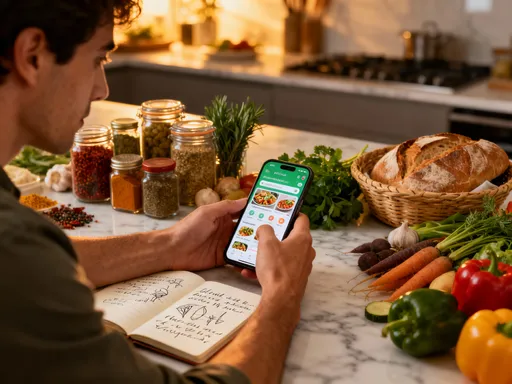
Here’s what surprised me most: the app didn’t force me to change. It made change feel natural. Because orders had to be in by Wednesday night, I started thinking about meals earlier in the week. Sunday evenings became my planning time. I’d sit with my laptop, check what was on sale in the group catalog, peek into the fridge, and make a simple list. No more last-minute panic. No more takeout because “there’s nothing to eat.”
Over time, this small shift created ripple effects. I began cooking more at home, not because I had to, but because I could. I tried new recipes, used ingredients I’d normally skip, and even started freezing portions for busy days. Food waste dropped dramatically—down to almost nothing, really. I wasn’t buying extra just because it was on sale at the store. I was buying only what I needed, when I needed it. And because the produce was fresher—delivered straight from farms—I felt better about what my family was eating.
The discipline wasn’t imposed. It was invited. The app didn’t nag me or send reminders. It simply created a rhythm. Order by Wednesday. Pick up on Friday. Plan on Sunday. That structure gave me space—mental and emotional—to focus on other things: helping my daughter with her science project, starting a new book, or just sitting quietly with a cup of tea. I didn’t realize how much decision fatigue grocery shopping caused until it was gone. Now, when I open the fridge, I don’t feel dread. I feel prepared.
Saving More Than Just Money—Rebuilding Community
But the biggest surprise wasn’t the savings or the time saved. It was the people. At first, pickup was just a transaction—show the code, grab the box, go home. But slowly, it became more. I started recognizing faces. Maria was usually there, unloading her box with a smile. Then there was James, a retired teacher who always brought his dog. And Amina, a single mom who homeschooled her two boys.
One Friday, Maria noticed I’d ordered cherry tomatoes and said, “You’ve got to try roasting them with a little garlic and thyme. My kids actually eat vegetables when I do it that way.” That small exchange led to a five-minute chat. The next week, James showed me how to store herbs in a jar of water to keep them fresh longer. Amina shared a link to a simple lentil soup recipe that her boys loved. These weren’t deep conversations—but they were real. They were human.
What I didn’t expect was how much this tiny ritual would ground me. In a world where so much connection happens through screens, this was different. We weren’t liking each other’s photos. We were sharing space, time, and food. The group buying platform wasn’t just a tool—it was a quiet bridge between lives that might never have crossed. We weren’t a formal community group. We didn’t have meetings or agendas. But every Friday, we showed up. And in those moments, we built something small but meaningful: trust, kindness, and the simple comfort of being seen.
Making It Work for Any Household
One of the best things about this system is how flexible it is. Whether you live alone, have a big family, or share a home with roommates, group buying can adapt. The key is starting small and setting clear expectations. If your neighborhood doesn’t have a group yet, you can start one. It doesn’t require special skills—just a little initiative and a shared space for pickup.
Here’s how we set ours up: First, we used a free messaging app to create a group chat—nothing fancy. We agreed on a weekly deadline (Wednesday at 8 p.m.) and a pickup time (Friday, 4 to 6 p.m.). We chose a neutral location: the community center’s front porch, which is open and secure. For payments, we use a common digital wallet that lets us split costs easily. One person collects the group’s orders, places the master order with the supplier, and then shares the total. Everyone pays their share online before pickup. It’s smooth, transparent, and avoids any awkward money exchanges.
We also set a few simple rules: no last-minute changes, label your box clearly, and if you can’t make pickup, arrange a swap in advance. These small agreements keep things running smoothly. And because the platform we use allows custom add-ons—like gluten-free items or baby food—everyone can tailor their order. For busy parents, it’s a win. For retirees, it’s independence. For students or singles, it’s affordability. The beauty is in its simplicity. It doesn’t replace your grocery store. It just makes the routine easier, fairer, and more connected.
The Ripple Effects on Daily Living
What started as a way to save time and money quietly transformed other parts of my life. With groceries handled by midweek, my weekends opened up. I wasn’t rushing to the store on Saturday morning. Instead, I was making pancakes with my kids, taking walks, or finally starting that garden I’d talked about for years. I even joined a local seed-sharing group through the same network—now we trade tomato seedlings and zucchini in the summer.
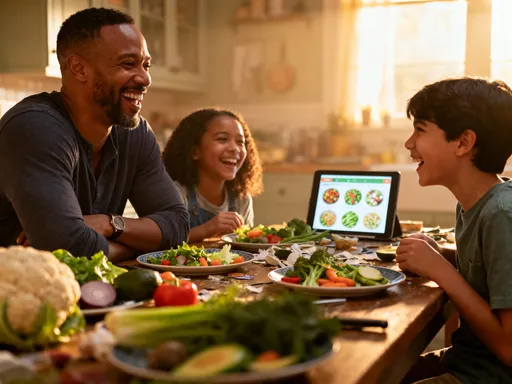
My eating habits improved without me forcing it. Because the produce was fresher and I’d already committed to using it, I cooked more balanced meals. My kids started asking for the roasted vegetables Maria taught me to make. We began having dinner together more often—no phones, just conversation. That might sound small, but it’s been huge. Those meals became our family’s anchor in a busy week.
I also noticed a shift in my stress levels. I wasn’t constantly solving the “what’s for dinner” puzzle. I wasn’t worried about overspending. I had a system, and it worked. That sense of stability spilled over into other areas—my sleep improved, I had more patience with the kids, and I even started journaling again. It’s amazing how much peace can come from something as simple as knowing your groceries are taken care of.
And here’s the thing: this wasn’t about perfection. Some weeks, I forgot to order cheese. Once, I double-ordered rice. But the system was forgiving. No one judged. We all made mistakes. And that kindness—built into the culture of the group—made all the difference.
Why This Isn’t Just a Trend—It’s Sustainable Simplicity
I’ve tried a lot of apps over the years—meal planners, budget trackers, smart fridges, you name it. Most I used for a week and abandoned. They felt like work. This one stuck. And I think I know why. It doesn’t try to fix me. It doesn’t assume I need more discipline, more data, or more notifications. It works with how real life actually unfolds—with mess, with rhythm, with connection.
This isn’t about chasing the latest tech. It’s about using tools that serve us, not the other way around. The group buying platform succeeded because it aligned with three basic human needs: simplicity, savings, and belonging. It didn’t ask me to change who I am. It just gave me a little more space to be myself—calmer, more present, more in control.
So if you’re feeling overwhelmed by the daily grind, I want to offer this gentle invitation: look for solutions that don’t add to your load. Look for tools that feel light, inclusive, and human. You don’t need a revolution. You need one small shift that makes your life a little easier, a little kinder, a little more connected. For me, it was a simple app that helped me buy groceries with my neighbors. For you, it might be something else. But wherever it starts, the goal is the same: to reclaim your time, your energy, and your joy—one thoughtful choice at a time.