More Than Inbox Zero: How Email Tools Gave Me Back My Time and Peace of Mind
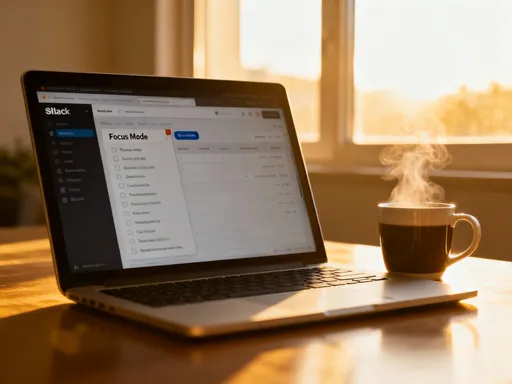
We’ve all been there—morning coffee in hand, laptop open, only to be hit with 47 new emails, half of which feel urgent. I used to spend hours sorting, replying, and still missing important messages. It wasn’t just inefficient—it was exhausting. But what if your inbox could work for you, not against you? This is the story of how the right email tools didn’t just organize my messages—they reshaped my focus, reduced my stress, and gave me back hours every week. And it wasn’t about being tech-savvy. It was about finally feeling in control of my time, my attention, and my peace of mind.
The Morning That Changed Everything
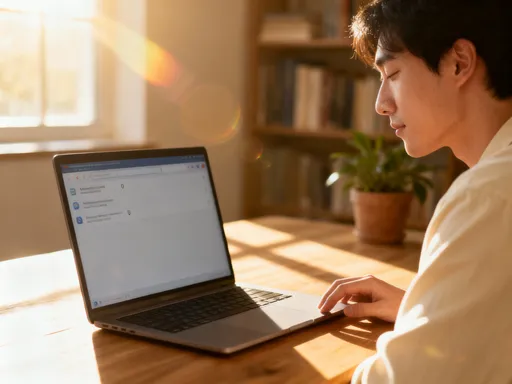
It was a Tuesday. Rain tapping at the window, kids off to school, and I finally had that rare quiet moment to tackle my day. I opened my laptop, took a slow sip of coffee, and—bam—47 new emails. One from the PTA about a last-minute meeting, another flagged urgent from a client, three reminder alerts from online shopping I didn’t even remember doing, and a newsletter I’d signed up for two years ago and never once read. My chest tightened. I clicked into the first message, then the next, and suddenly an hour had passed. I hadn’t even started the report due by noon.
That morning wasn’t unusual. For years, I treated email like a fire I had to put out every day. I’d start strong, replying quickly, feeling productive—until I realized I hadn’t eaten lunch, my to-do list was untouched, and I was answering messages that could’ve waited days. The worst part? Important things still slipped through. A birthday invitation from my sister. A school note about a delayed pickup. A doctor’s appointment confirmation. All buried under junk.
I felt reactive, not proactive. Distracted, not focused. And honestly? Ashamed. Like I should be better at this. But here’s the truth I finally admitted: it wasn’t me. It was the system—or rather, the lack of one. I wasn’t failing at email. I was failing to set up email to support me. That morning, I made a promise: no more playing catch-up. I needed a real strategy, not just willpower. And that’s when everything changed.
Chasing Efficiency, Not Just Cleanliness
At first, I thought the goal was simple: get to zero. Inbox zero. It sounded so satisfying. But the more I chased it, the emptier it felt. I’d spend 30 minutes filing old messages into folders named “Taxes 2022” or “Trip Ideas,” only to reopen my inbox and see 20 new ones. The cycle never ended. I realized I wasn’t after a clean inbox—I was after clarity. I wanted to know what mattered, when it mattered, without the noise.
That shift—from cleaning to filtering—was everything. Instead of asking, “How do I delete more?” I started asking, “How do I see what’s important faster?” I didn’t need to manage every email. I needed to design a flow where the right ones found me, and the rest stayed out of my way. Think of it like your kitchen. You don’t wash every dish the second it’s used. You have a system—some go in the sink, some in the dishwasher, some get wiped and reused. Your inbox should work the same way.
Once I embraced that mindset, the emotional weight lifted. I stopped feeling guilty for not replying instantly. I stopped getting startled by pop-up notifications. I began to trust that if something was urgent, I’d see it. And if it wasn’t? It could wait. That’s when I started noticing changes beyond my screen. I made decisions faster. I felt calmer during the day. I even slept better, knowing I wasn’t missing something critical. Email wasn’t running my life anymore—I was running it.
Choosing Tools That Fit My Life, Not My Tech Shelf
I’ll be honest—I used to think tools like these were for people in Silicon Valley, not moms managing carpools and grocery lists. I imagined complicated dashboards, tech support calls, and passwords I’d forget by lunch. But the truth? The best tools are the ones you don’t even notice. They work quietly in the background, like a good vacuum that picks up dust while you’re busy living.
What I needed wasn’t more features—it was simplicity. I looked for tools that could learn my habits, not demand I learn theirs. For example, one tool I started using could tell the difference between an email from my daughter’s teacher (priority) and a promotional code from a store I bought from once (ignore). It didn’t need me to label everything. It just… knew. Another let me schedule when I wanted to receive certain emails—like newsletters or work updates—so they didn’t flood my morning.
The game-changer was intelligent prioritization. Instead of seeing every message in chronological order, my inbox began showing me what was likely important based on who sent it, how I’d interacted with them before, and even the language in the subject line. An email from my husband with “Need help with dinner?” jumped to the top. A mass update from a subscription service landed in a separate tab I’d check once a week. No stress. No confusion. Just calm, clear information.
And the best part? I didn’t have to become a tech expert. These tools were designed for real people—people with full lives, limited time, and zero patience for jargon. I set them up in less than an hour, and they’ve been working for me ever since. It wasn’t about impressing anyone. It was about making my digital life feel human again.
Building a System That Works While I Sleep
One of my favorite moments was realizing I hadn’t manually sorted an email in over a month. Not because I was ignoring them—but because my system was doing it for me. Automated filters were quietly moving messages into the right places. Labels helped me find things fast. And smart read-time suggestions even told me when I was most likely to respond, based on my past behavior.
Let me give you a real example. Every Friday, my sister sends a family update email with photos of the kids, news from her town, and little notes to each of us. I love it—but I don’t need it popping up during a work meeting. Now, it automatically gets labeled “Family” and moved to a quiet section. I check it on Saturday morning with my coffee. No stress. No missed moments.
Work requests? If a client emails after hours, the tool holds it until 8 a.m. the next day—unless it’s marked urgent. That means I’m not waking up to a crisis that could’ve waited. Newsletters? All bundled into one daily digest at 5 p.m., so I can skim them during downtime. Even my online shopping confirmations go into a “Purchases” folder, so I can track orders without digging through my main inbox.
It felt like I’d hired a tiny assistant who never asks for a raise. Someone who knows what I care about, respects my time, and keeps the chaos at bay. And the beauty of it? I didn’t have to micromanage. I set it up once, tested it for a few days, tweaked a few rules, and then let it run. Now, my inbox doesn’t demand my attention—it waits for it. And that small change created space. Space to focus on work that matters. Space to be present with my family. Space to breathe.
Reclaiming Focus—One Fewer Distraction at a Time
Before I changed my email habits, I didn’t realize how much mental energy I was losing to distractions. Every ping, every preview, every “you have a new message” alert pulled me out of whatever I was doing. I’d be helping my son with homework, hear a notification, glance at my phone, and suddenly be deep in a work thread. By the time I came up for air, he’d already moved on.
Psychologists call this “attention residue”—the mental fog that lingers after switching tasks. And email is one of the worst offenders. But when I stopped reacting to every message, something amazing happened: my focus deepened. I could read a book without checking my phone. I could write a thoughtful reply instead of a rushed one. I could sit through dinner without mentally drafting emails.
The ripple effects surprised me. I started sleeping better because I wasn’t scrolling through messages before bed. My mood improved—less reactive, more patient. I even found myself more creative. With fewer interruptions, I had mental space to think, plan, dream. One afternoon, I sat down to organize a family vacation—and instead of getting distracted by emails, I mapped out a full itinerary in two hours. That never would’ve happened before.
And here’s the thing: none of this required willpower. I didn’t have to “try harder” to focus. I just removed the thing that was breaking my focus in the first place. It wasn’t about discipline. It was about design. And when you design your environment—digital or physical—to support your goals, everything gets easier.
Sharing the Calm—A Quieter Inbox for the Whole Household
Once I saw how much peace this brought me, I wanted to share it. Not just the tools—but the calm. I started with my husband. He’s brilliant, but his inbox looked like a digital junk drawer. Bills, work updates, sports scores, and random sign-up confirmations all mixed together. He’d often miss important emails because they were buried under noise.
So one weekend, we sat down together. No pressure. No tech talk. Just me showing him how I’d set up my system. We created a few simple filters—work emails to one folder, family to another, promotions to a “maybe later” section. We turned off notifications during dinner and family time. And we scheduled a 20-minute email window each morning and evening—enough to stay on top, not enough to get sucked in.
Within a week, he told me he felt less stressed. He wasn’t constantly checking his phone. He wasn’t apologizing for missing things. And our conversations improved—we were actually listening, not mentally replying to emails.
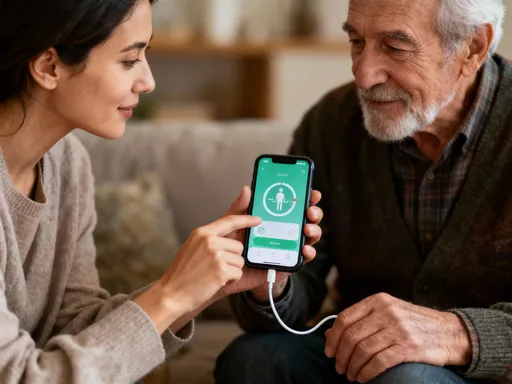
Then I helped my parents. My mom, especially, was overwhelmed. She’d get dozens of scam-like emails, forwarded chain messages, and updates from organizations she’d forgotten she’d joined. She was anxious about clicking anything, worried she’d break her computer or lose money. So I set up filters to flag suspicious senders, moved newsletters to a low-priority folder, and created a “Family Only” label so she’d never miss a message from us.
The emotional payoff was huge. She called me one evening, voice lighter than usual: “I actually enjoyed checking my email today.” That hit me deep. This wasn’t just about efficiency. It was about care. By helping her feel safe and in control, I was giving her back confidence—and connection. Better email habits became a quiet way of saying, “I love you. I want you to feel calm.”
A Lighter Mind, Not Just a Lighter Inbox
Looking back, I never thought a few email tools could change so much. But they didn’t just tidy up my messages—they changed how I move through my days. I’m not reactive anymore. I’m intentional. I don’t spend hours managing information. I spend time living my life.
The hours I’ve gained? I’ve used them to read, to walk, to talk to my kids without distraction. The mental space I’ve reclaimed? I’ve filled it with creativity, rest, and presence. And the peace of mind? That’s priceless. I no longer fear opening my inbox. I don’t dread the morning flood. I know the system has my back.
Technology should serve us, not stress us. It should make us feel more capable, not more overwhelmed. And sometimes, the most powerful tech isn’t the flashiest gadget—it’s the quiet tool that helps you breathe a little easier, focus a little better, and live a little fuller.
If you’re tired of feeling behind, if your inbox feels like a weight on your chest, I want you to know: it doesn’t have to be this way. You don’t need to be a tech genius. You don’t need to spend hours learning complicated systems. You just need a few smart tools, a little setup, and the belief that your time and attention matter.
Start small. Pick one change. Turn off notifications for an hour. Set up one filter. See how it feels. Because when you stop letting email control you, you start reclaiming your life—one calm, clear message at a time.