It’s Not Just a Ride: How Bike-Sharing Apps Made My Weekends Feel Lighter
You know that weekend feeling—wanting to escape the routine, but dreading the hassle of traffic, parking, or public transit delays. I used to stay home more than I wanted to, simply because going out felt like too much effort. Then I started using bike-sharing apps with my friends, and something small made a big difference. It wasn’t just about getting around—it was about reclaiming time, enjoying movement, and rediscovering my city. This is how a simple tap on a screen quietly transformed my weekends. No grand plan, no big budget, just a few rides that slowly changed the rhythm of my life. And if you’ve ever felt like your free time isn’t really free, this might be exactly what you need.
The Weekend Trap: When Free Time Doesn’t Feel Free
How many times have you looked forward to Saturday morning, imagining coffee in the sun or a walk through a leafy park, only to end up on the couch by noon? I’ve lost count. The dream of a relaxing weekend often crashes into the reality of logistics. Even short trips can feel overwhelming—where to park, how long the train will take, whether the kids will get restless. I remember one Saturday when I drove 30 minutes to meet a friend at a farmers’ market, circled the block for 20 minutes trying to find parking, and ended up leaving early because I was already too stressed to enjoy it. That wasn’t an exception. It was the pattern.
And I’m not alone. So many of us, especially women juggling family, work, and personal time, feel this quiet exhaustion. We want to explore, to breathe, to connect—but the barriers feel too high. Public transit can be unpredictable. Driving means traffic and parking fees. Rideshares add up fast. What’s supposed to be a break ends up feeling like another chore. The irony? We’re trying to reclaim our time, but the systems meant to help us move around are actually stealing it. I started to wonder—what if there was a simpler way? What if getting out didn’t have to feel like a mission?
Then it hit me: maybe the problem wasn’t my desire to stay in. Maybe it was the tools I was using to get out. I was trying to solve a modern problem with outdated solutions. And that’s when I opened a bike-sharing app for the first time—not because I was looking for a revolution, but because I was tired of losing my weekends to stress.
A Friend’s Suggestion That Changed Everything
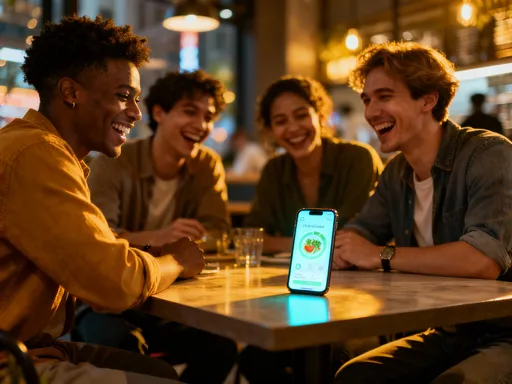
It was a warm Saturday in early spring. My friend Lisa called, saying, “Let’s go to the riverwalk. The cherry blossoms are out.” My first instinct? To say no. “Isn’t it crowded? Where will we park?” But Lisa laughed and said, “We’re not driving. We’re biking.” Before I could overthink it, she pulled out her phone, tapped a few times, and said, “There’s a bike two blocks away. Let’s go.”
Within five minutes, we were unlocking sleek, docked bikes from a bright green station near her apartment. No paperwork, no membership card, no waiting. Just a quick scan of a QR code, a beep, and we were off. I hadn’t ridden a bike in years—my last memory was from college, wobbling down a campus path with a backpack full of textbooks. But this felt different. The bike was stable, the seat adjustable, the pedals smooth. And the city, seen from two wheels, looked brand new.
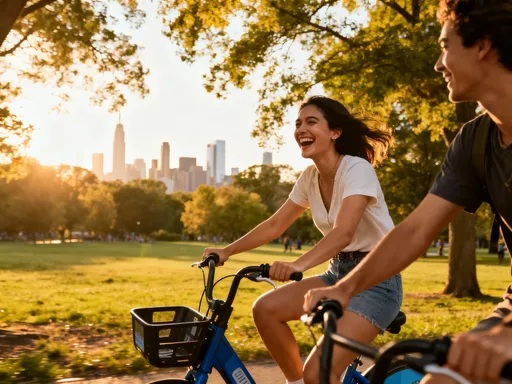
We rode along the river, the wind in our hair, stopping whenever we wanted—to take photos, to watch a street performer, to grab iced tea from a riverside kiosk. No schedule. No stress. When we were done, we docked the bikes at another station near her place. The whole ride cost less than a latte. I got home feeling energized, not drained. That night, I couldn’t stop smiling. It wasn’t just the outing. It was the ease of it. The lightness. For the first time in a long time, I felt like I had truly taken back my Saturday.
That moment didn’t just change how I got around. It changed how I thought about time, movement, and joy. I realized I’d been letting small obstacles dictate my freedom. But what if those obstacles weren’t inevitable? What if, with the right tool, I could just… go?
How Bike-Sharing Fits Seamlessly Into Real Life
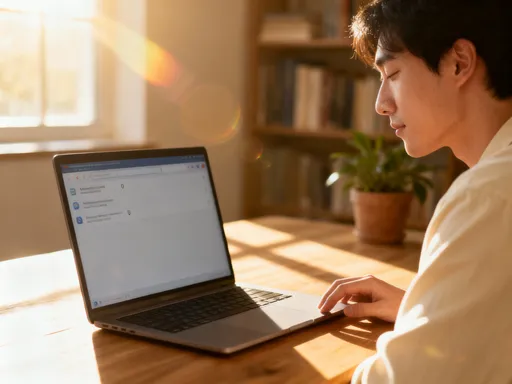
Here’s what surprised me most: using a bike-sharing app didn’t feel like adopting new technology. It felt like remembering something I already knew—how to move freely. The app itself is simple. You open it, see a map of nearby bikes, check availability, and go. No downloads, no long-term commitment. Most major cities have reliable services like this—some with classic pedal bikes, others with electric assist. I started small: a 15-minute ride to a café, a quick trip to the library, a lazy loop around the neighborhood park.
What made it stick wasn’t the novelty. It was the consistency. The app became part of my routine, like checking the weather or packing a reusable water bottle. I learned to look for docking stations when I parked my car or got off the bus. I started planning mini-routes in my head: “If I bike from the train station to the salon, I’ll save 10 minutes and skip the parking fee.” These weren’t big decisions. But together, they added up to a different kind of freedom—one built on small, smart choices.
And the best part? It’s not just for the young or athletic. These bikes are designed for real people. They have comfortable seats, baskets for bags, and lights for safety. Some even have gears for hills. The apps show real-time updates, so I never waste time hunting for a bike that isn’t there. If one station is full, the app guides me to the next closest. It’s like having a local friend whispering directions in your ear. I’ve used it in the rain with a poncho, in the heat with a wide-brimmed hat, even with my dog in a bike trailer (yes, that’s a thing!). Life keeps moving, and now, so do I.
More Than Convenience: Rediscovering the City and Myself
I’ll never forget the first time I noticed the mural on the side of a bakery in the next neighborhood over. I’d driven past that building a dozen times, but from the car, it was just a blur. On a bike, I saw the colors, the details, the story it told. That’s when it hit me: when you move slowly, you see more. You hear more. You feel more.
Biking gave me back the art of noticing. I started to recognize the barista who waves every morning, the gardener who tends the community flower beds, the jazz trio that plays on weekends in the square. My city, once a maze of traffic and to-do lists, began to feel like a place I belonged to. And that sense of connection didn’t just stay outside. It changed how I felt inside.
There’s something about the rhythm of pedaling—the steady push and release—that clears your mind. It’s not intense exercise, but it’s movement with purpose. I found myself solving problems, remembering forgotten ideas, even working through tough emotions while riding. One afternoon, after a stressful week, I took a long ride along the canal. By the time I got home, I wasn’t just tired. I was calm. Centered. Like I’d given myself a quiet reset.
And the physical benefits? Real, but gentle. I’m not training for a race. I’m just moving my body in a way that feels good. My posture improved. I sleep better. I have more energy for the kids, for my work, for myself. But more than that—I feel more present. When I’m on the bike, I’m not scrolling, not multitasking, not worrying about the next thing. I’m just here. And in a world that never stops asking for more, that’s a rare kind of gift.
Shared Rides, Stronger Connections
Some of my most meaningful conversations have happened on bikes. Last summer, my sister and I rode from the museum district to a lakeside pier. We didn’t plan it as a “deep talk” day. But without the barrier of a steering wheel, without the noise of the engine, we just… talked. About our mom’s health, our dreams for the future, the little things we miss about childhood. We laughed until we had to stop and catch our breath. That ride didn’t just take us across town. It brought us closer.
There’s something about side-by-side movement that changes the way we connect. You’re not face-to-face, so it feels less intense. But you’re moving together, sharing the same path, the same wind. It creates a kind of intimacy that’s hard to find in a crowded café or over text messages. I’ve had heart-to-hearts with old friends, silly chats with my niece, even quiet rides with my dad, who doesn’t talk much but loves being outside.
And the spontaneity! My friend Mara and I now have a standing “bike date” every other Sunday. We don’t plan much. We just meet at a station, pick a direction, and see where we end up. We’ve discovered hidden bookshops, stumbled on a pop-up flower market, and once even joined a flash mob dance (okay, we just clapped and smiled, but still!). These aren’t grand adventures. They’re small moments of joy—made possible because we could just go, without overthinking it.
What I love most is how inclusive it feels. My cousin, who uses a wheelchair, can’t ride, but she meets us at the end of our route with lemonade and stories. My neighbor, a retired teacher, loves to watch us pass by and wave. It’s not just about the ride. It’s about being part of a community that moves, breathes, and lives out loud.
Practical Tips for Making It Work in Your Routine
If you’re curious, I get it. Starting something new can feel intimidating. But here’s the good news: you don’t need gear, a gym membership, or a perfect day. You just need your phone and a willingness to try. Let me share what’s worked for me.
First, find the right app for your city. Most urban areas have at least one major provider—some are city-run, others are private companies. Do a quick search to see what’s available. Look for apps with clear maps, real-time availability, and user reviews. Many offer free first rides or discounted weekly passes—great for testing it out. I started with a 30-minute free ride and never looked back.
Next, pay attention to bike quality. Look for models with adjustable seats, working brakes, and baskets or racks. Some bikes have electric assist, which is perfect if you’re new to biking or live in a hilly area. The app usually shows bike type and battery level (for e-bikes), so you can choose what fits your needs. And don’t forget safety: always wear a helmet if you have one, use lights at dusk, and wear bright or reflective clothing. I keep a foldable helmet in my bag and a small bell on my handlebars—simple things that make a difference.
Planning your route? Start short. Aim for 10 to 20 minutes. Use the app’s map to find docking stations along the way, so you know where you can stop or end your ride. Stick to bike lanes or quieter streets when possible. If you’re nervous, go during off-peak hours. And bring a small backpack with water, sunscreen, and your phone charger. I learned the hard way that a dead phone means no app access—lesson learned!
Finally, use the app’s features to build a habit. I like checking my ride history—it shows me how much time I’ve spent outside, how many calories I’ve burned, and how much I’ve saved on parking and gas. It’s not about perfection. It’s about progress. Some weeks I ride five times. Others, just once. But every ride adds up—to my health, my joy, my sense of freedom.
Why This Small Change Has Lasting Value
It’s been over a year since that first ride with Lisa. Since then, I’ve biked through seasons—spring blooms, summer sunsets, golden autumn afternoons, even crisp winter mornings (with extra layers!). What started as a way to avoid parking hassles has become a cornerstone of my well-being.
These rides have taught me that transformation doesn’t always come from big leaps. Sometimes, it comes from a small choice, repeated with care. Choosing to ride instead of drive. Choosing to notice instead of rush. Choosing connection over convenience. Each time I unlock a bike, I’m not just going somewhere. I’m choosing a different way of living—one that values presence, movement, and joy.
I’ve also learned that technology doesn’t have to feel cold or complicated. At its best, it’s a tool that helps us live more human lives. The app didn’t replace my car. It just gave me another option—one that aligns with how I want to feel: light, free, and in tune with my world.
And perhaps the most unexpected gift? I’ve become a role model without trying. My daughter asks to ride with me now. My mom, who used to say biking was “for young people,” took her first shared ride last month. My neighbor started using the app too. Change doesn’t always start with a speech or a movement. Sometimes, it starts with a friend saying, “Let’s just grab a bike.”
So if you’ve been feeling stuck, if your weekends slip away in to-do lists and traffic jams, I want you to know: there’s another way. It might not be perfect. You might wobble at first. But the moment you start moving, something shifts. The air feels fresher. The world feels bigger. And you remember what it’s like to truly have time—your time. Because it’s not just a ride. It’s a return to yourself, one pedal at a time.